
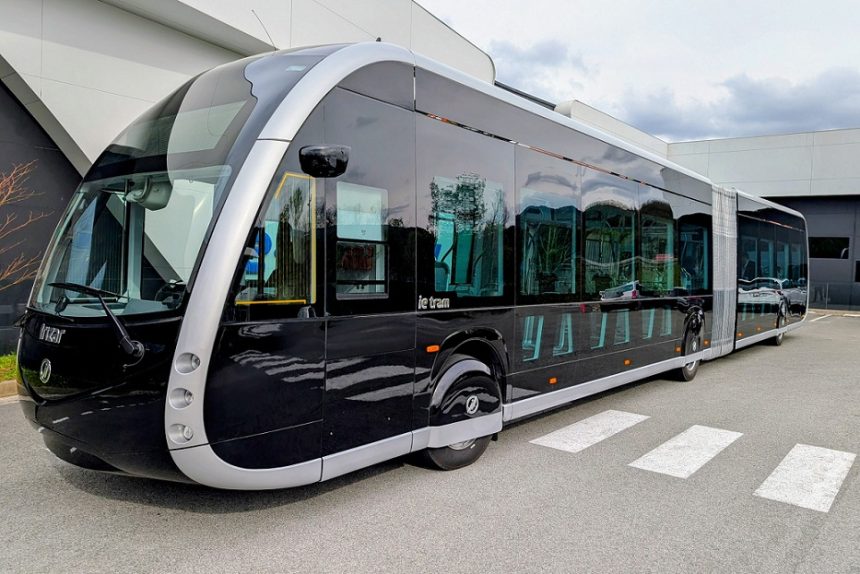
Irizar ie tram electric artic to be trialled in Liverpool City Region
Irizar ie tram electric artic to be trialled in Liverpool City Region
An Irizar ie tram battery-electric articulated bus is to be route trialled in the Liverpool City Region. It is a further evaluation of bus rapid transit vehicles ahead of the rollout of that concept between the city centre, football stadia and Liverpool John Lennon Airport by the end of 2028.
The ie tram is on loan from Irizar and will carry the yellow-based Metro brand for bus services in the Liverpool City Region that will be franchised over coming years. It follows the visit of a Van Hool Exqui.City that was borrowed from Northern Ireland operator Translink in 2024.
Feedback from passengers will be sought during the ie tram’s time in the region although it will not be used to carry the public. The Liverpool City Region Combined Authority (LCRCA) says it will be used “on key commuter routes” to gather feedback and assess performance to help shape the design of the area's own fleet.
Beyond the first BRT route majoring on football stadia and the airport, LCRCA adds that the network could be expended to other areas that are not currently served by rail.
Speaking about the Irizar ie tram trial, Mayor of the Liverpool City Regin Steve Rotheram says: “This is a big moment on our journey to build the modern, reliable transport system that our area has needed for decades.
“When I talk about a London-style network, I mean a system that is joined-up, easy to use, and where you do not have to think twice about how you are getting from A to B. That is the standard people in our region should expect too – not just those in the capital.
“For too long, places like ours have been treated as an afterthought when it comes to transport funding and infrastructure. But we have secured £1.6 billion from government – and we are putting it to work, building a system that actually works for the 1.6 million people who live here.”
LCRCA notes how an articulated bus can carry 30% more passengers than a double-decker and that additional doors reduce stop dwell times. Off-vehicle ticketing also forms part of the BRT blueprint.

Altro and Neomind's Universal Bus concept wins London Design Award
Altro and Neomind's Universal Bus concept wins London Design Award
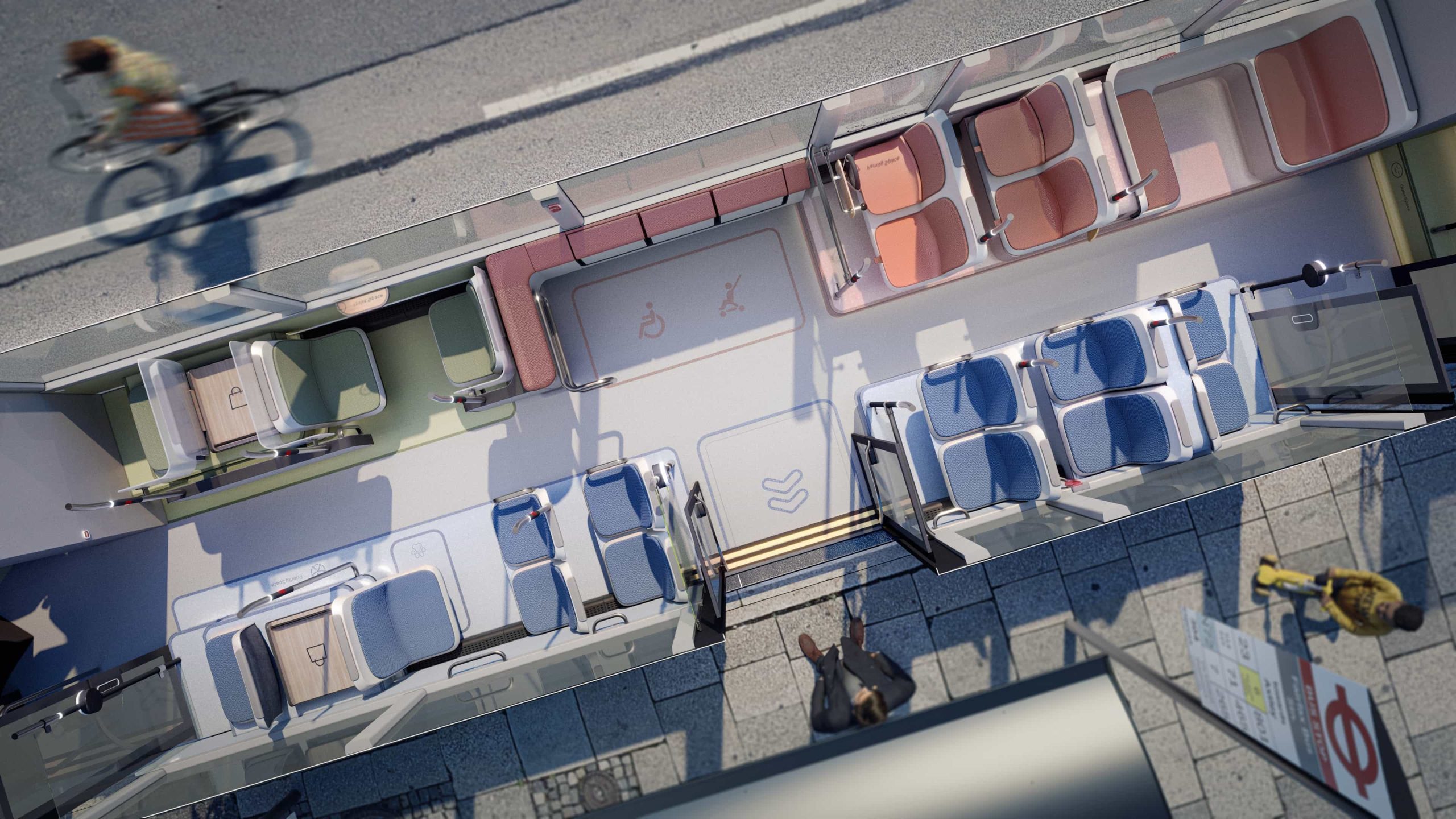
The Universal Bus collaboration between Altro Global Transport and German design house Neomind has won silver in the London Design Awards in the Conceptual Design in Mobility category.
The win follows the concept's debut at the recent Transport Design Forum.
The Universal Bus showcases innovations that support the UK's neurodivergent community, estimated to represent some 9.7 million people or around 15% of the population. Key features include quiet zones, family seating areas, acoustic material choices that minimise sensory overload, and enhanced passenger information screens.
The design is informed by research findings that revealed 91% of neurodivergent individuals are impacted by noise during travel and 83% by the effort required for journeys. The Universal Bus addresses this through clearly zoned layouts, intuitive wayfinding, real-time information displays and carefully calibrated colour palettes and geometry.
"Neuroinclusivity isn't a design feature to add later - it's a design foundation to build upon from the start," says Chris Edwards-Thorne, Global Marketing Manager at Altro. "This award validates our commitment to creating transport solutions that are genuinely accessible and considerate of the diverse needs of all individuals. The Universal Bus concept demonstrates how thoughtful design can transform the travel experience for neurodivergent passengers while benefiting all users."
Adds Kasia Foljanty, Director of Customer Experience at Neomind: "Working with Altro allowed us to create a design that goes beyond traditional accessibility models. We've addressed the 'invisible' sensory and cognitive challenges that represent the vast majority of accessibility needs in public transport. This concept proves that universal design benefits everyone – what we've created for neurodivergent passengers enhances comfort and usability for all travellers."


Ticketer rolls out tap-off readers in Lancashire BSIP project
Ticketer rolls out tap-off readers in Lancashire BSIP project
Ticketer has completed a project in partnership with Lancashire County Council and several bus operators to roll out tap-off readers for contactless fare payments.
The local authority has worked with Ticketer since 2018, and the tap-off readers work was funded through its Bus Service Improvement Plan (BSIP).
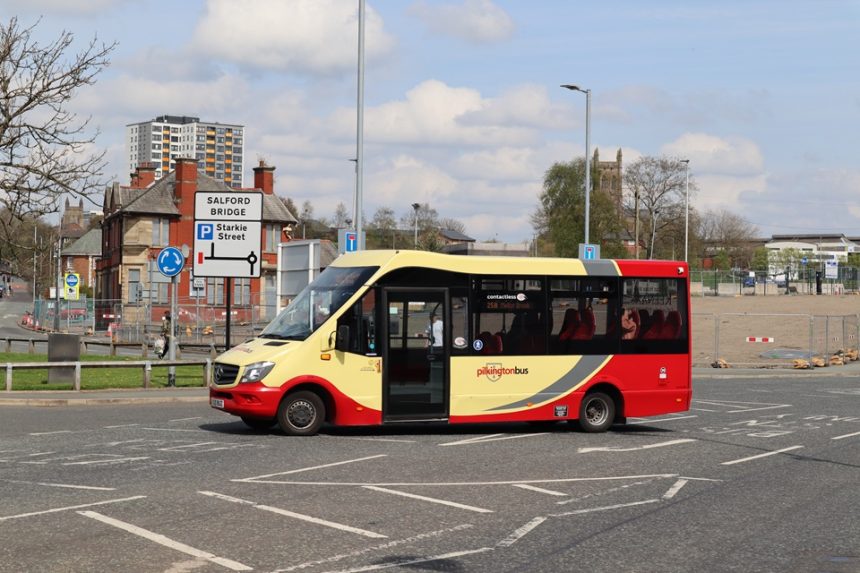
That has seen the units fitted to buses in the fleets of Archway Travel, Charlton Minicoaches, Holmeswood Coaches, Pilkingtonbus, Tyrers Coaches, Transpora Blackpool, and Vision Bus.
Ticketer notes that the deployment supports Lancashire County Council’s renewed commitment to building bus services via the Enhanced Partnership approach and use of BSIP funds with a focus on increasing usage and improving the passenger experience.
Tap-off readers simplify the passenger journey by allowing users to tap their card or device as they exit the bus and be charged the correct amount having tapped on separately when boarding. Capped contactless fares are supported and Ticketer says that the approach can deliver boarding times of up to 70% faster than for other fare collection methods.
Speaking about the work, Lancashire County Council Principal Transport Officer Ian Barratt says: “This rollout is a significant step forward in enhancing the passenger experience a nd getting more people to use bus travel in the region.
“Ticketer tap-off readers play a key role in simplifying the ticketing experience while removing barriers to travel. We look forward to seeing the positive impact the technology has across our services.”
Adds Ticketer Chief Commercial and Operations Officer Adam Toone: “We are delighted to have partnered with Lancashire County Council on tap-off reader delivery for the region.
“This multi-layered partnership across Ticketer, Lancashire County Council and the participating operators highlights how close collaboration, technology, and local investment can come together to deliver real benefits for passengers.
“By speeding up boarding and simplifying contactless payments, the Ticketer tap-off readers will help to make travel more accessible, reduce dwell times, and support the overall attractiveness of bus services in the region.”