
BYD aims to make battery-electric 'viable' with BD11 double-decker
BYD has presented what it calls a "viable" battery-electric offering in the shape of its BD11 double-decker bus, which was launched for the London market today.
The BD11, the Chinese giant's first complete bus for the UK to be launched in 10 years, is set to be in operation in the capital within the next few months, promising a competitive price point. A single-decker to meet Transport for London (TfL) specifications, as well as as single- and double-deck models for the provincial markets, will follow by the middle of 2025.
BYD declined to confirm details of the deal rumoured to be worth more than 100 units, although media reports have claimed it is with Go-Ahead and that the vehicles are around 25% cheaper than UK-manufactured equivalents.
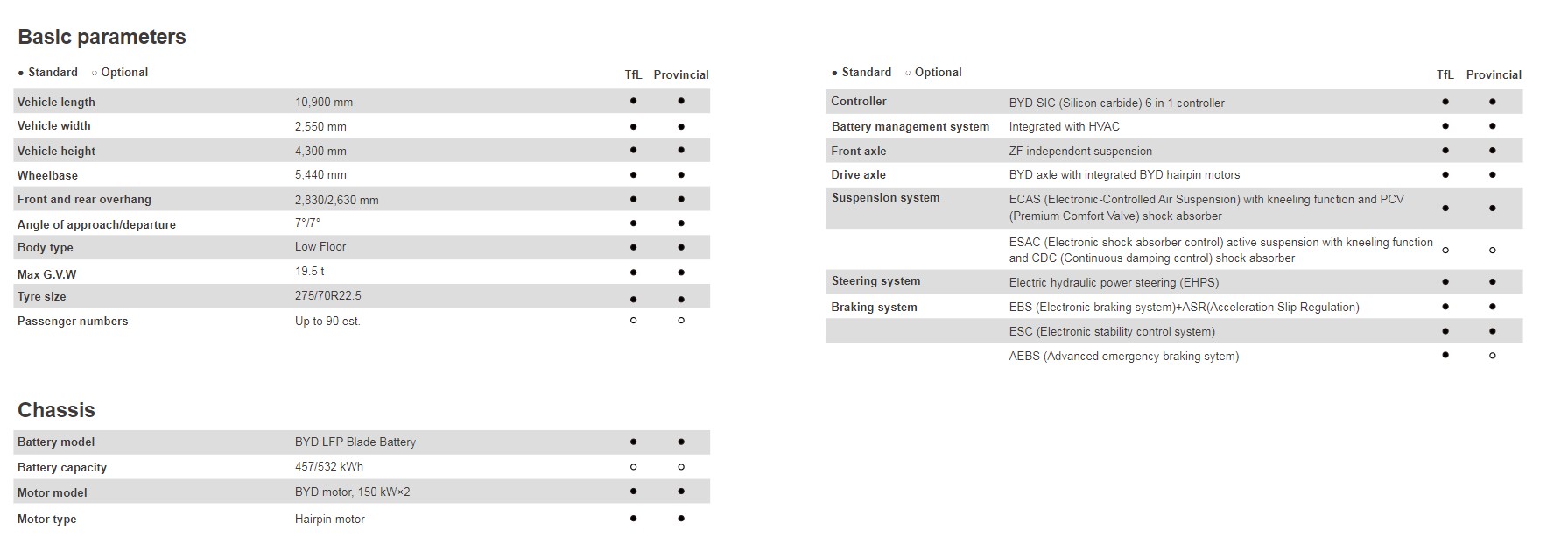
Featuring innovative Blade battery technology, the manufacturer of the 10.9m-long BYD BD11 promises lightweight efficiency and stability with "market-leading" battery capacity of up to 532kWh.
BYD's Blade battery has been integrated into the chassis to save a claimed 8% in the overall weight of the BD11, increase driving range and leave more room for passengers - in this case up to 90.
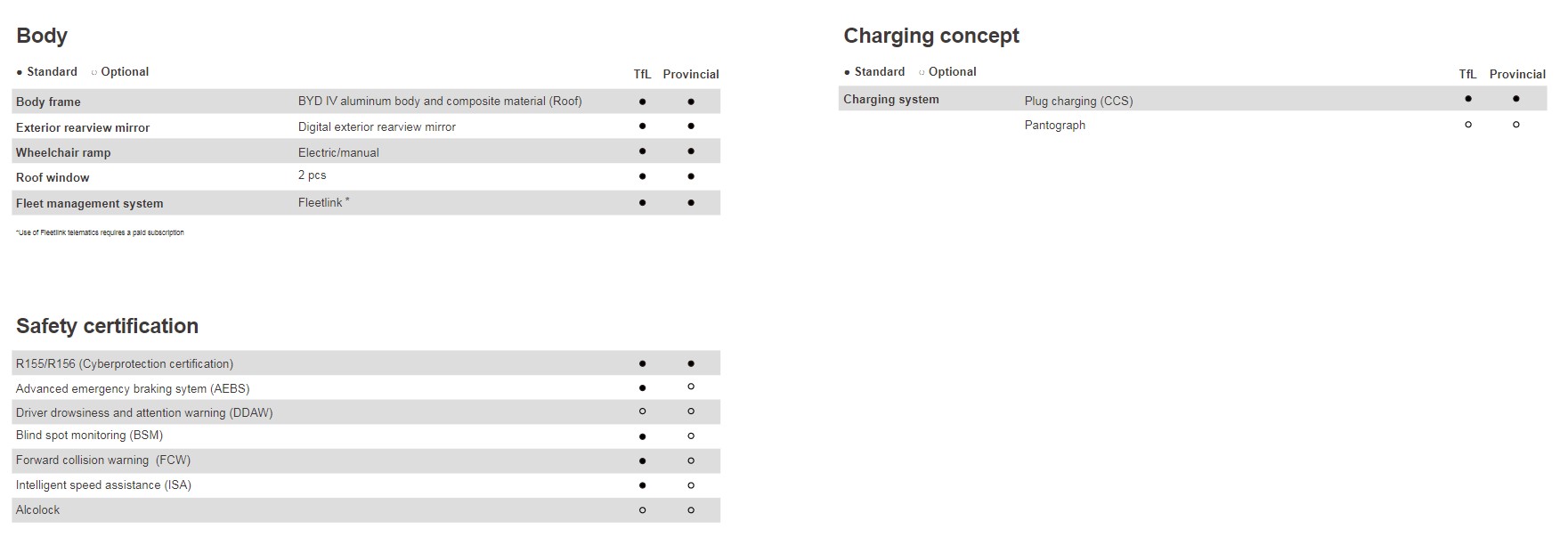
Although an official range claim is delayed until testing has been completed, BYD says charging from 0 to 100% will be possible in two hours via the pantograph option and that it is determined to provide the safest battery in the market.
After having launched a complete single-decker into the UK in 2013 and also having provided the chassis for 1,800 Alexander Dennis-bodied buses in operation nationwide, today's launch was a pivotal moment.
That was highlighted by Frank Thorpe, Managing Director, BYD UK Commercial Vehicles, at the event at the London Bus Museum in Weybridge.
"The UK industry needs a viable electric bus," Mr Thorpe says. "It needs to be viable technically, commercially and operationally. We need the bus of the future but we need it today.
"What we're giving you today is a bus that will go further, for longer, for less."
He adds: "I am not going to be ashamed of the fact that we are so competitive, and the reason we're so competitive is we manufacture the high-value items in the bus, so the battery, the controller, the motor are all designed and manufactured by BYD.
"We're not buying them in so we're not paying someone else's margins. I'm going to use that advantage and I don't think there's anything wrong with that and that's nothing to do with us being a Chinese business."
BYD plans to have ready a single-decker for the provincial market in the UK by the fourth quarter of this year, a single-decker for London in the first quarter of 2025 and a provincial double-decker by the middle of next year. Further down the line, it has ambitions for additional models, including at midibus size.
Using lithium iron-phosphate as its cathode material, BYD claims the Blade battery offers a much higher level of safety than conventional lithium-ion batteries, with the addition of high durability. The manufacturer says it "takes battery safety to a new level, while offering outstanding strength, range, longevity and power". The flatter design allows for 50% improved space utilisation, it adds.
Among the other safety features is advanced driving assistance systems, including Advanced Emergency Braking System, Blind Spot Monitoring (BSM), Forward Collision Warning (FCW) and Intelligent Speed Assistance (ISA).
It also features BYD's six-in-one controller, two 150kW hairpin motors, Integrated Thermal Management System and Active Suspension Control System.
It also boasts an 8.00m turning radius - an improvement of 1.3m on BYD's previous generation of bus.
Founded in 1995 with an initial focus on batteries, BYD has expanded to employ around 700,000 in 40 branches worldwide. Its automobile arm entered the "new energy" coach and bus market in 2009.
BYD BD11 technical data

JG Explorer brand debuts on Scania Irizar i6S Efficient coaches
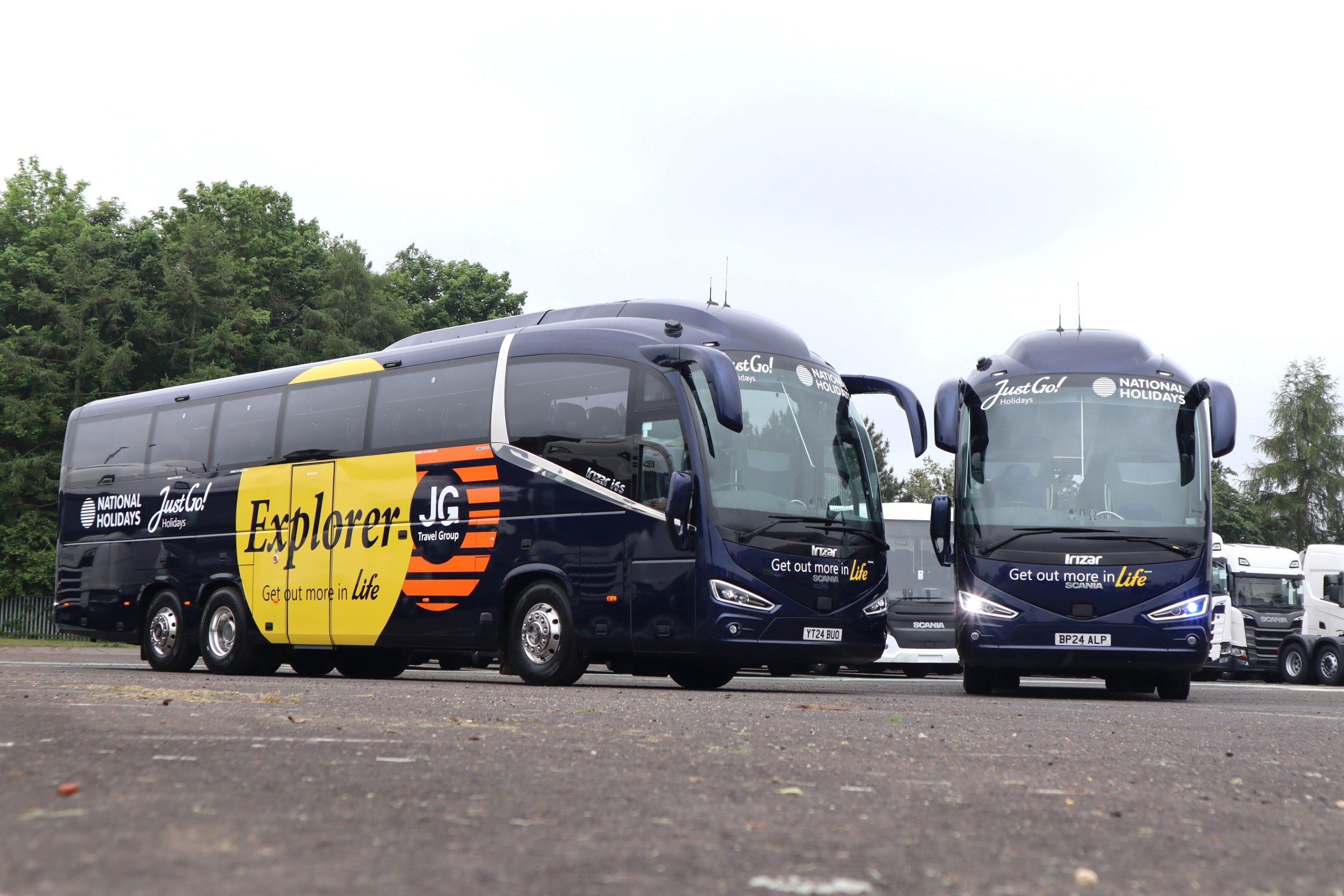
JG Travel Group and its operator partners Alpine Travel of Llandudno and Hunters Coaches of Leeds have taken delivery of the first vehicles for the JG Explorer concept.
Both are Scania K410NI models with Irizar i6S Efficient bodies. They will quickly be followed by three more for Crosskeys Coaches of Folkestone, Prospect Coaches from Stourbridge, and Taylors Coach Travel based in Sparkford. All five have arrived in the UK.
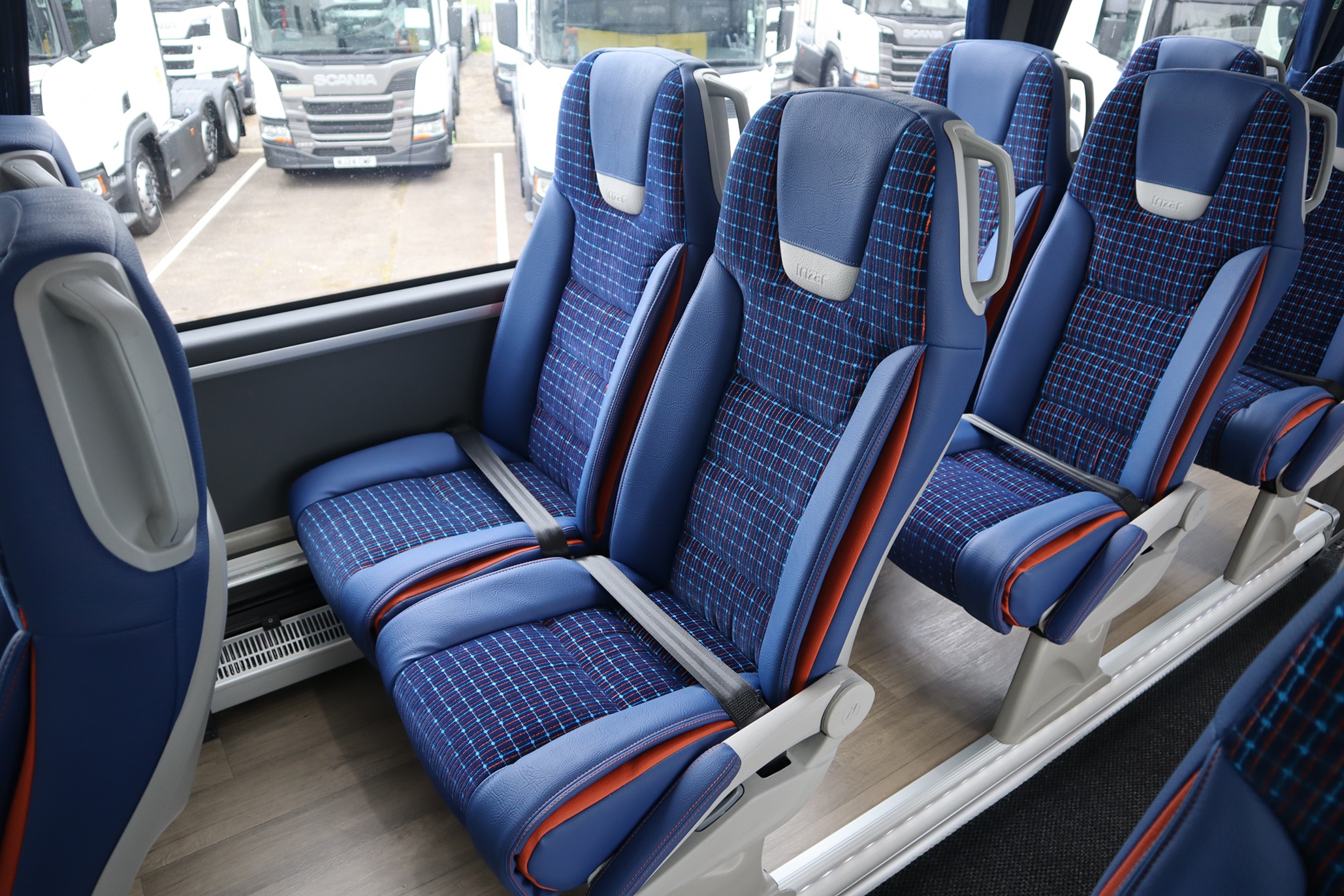
They are 13.2m tri-axles that seat 44 with enhanced legroom, and a rear servery and floor-level toilet. The first tours operated by the JG Explorer coaches will depart on 25 May. Two will head to Ireland while the other three will remain in the UK on those departures.
In a rear ski locker is a large water tank coupled to a filter, a rapid chiller, and a tap within the servery in what JG Travel Group believes is a first in a coach application. Passengers will receive complementary bottles to fill. Like the servery and toilet, the tank and associated equipment have been fitted by AD Coach Systems.
JG Travel Group Operations Director Paul Mason – who previously outlined the JG Explore concept in depth to routeone – says that the business began examining a premium coach product as far back as 2018, but that it was not until early 2023 when it began talking to partner operators about the idea.
All five that will run the first vehicles have established relationships with JG Travel Group, and Mr Mason adds that their geographic spread enables the business to maximise coverage of the new offering.
The JG Explorer coaches will generally be employed on higher-mileage tours in the UK and further afield, he continues, hence the decision to focus on comfort. Within the livery are the Just Go! and National Holidays brands. Trips from both of those programmes will utilise the Scania Irizars.
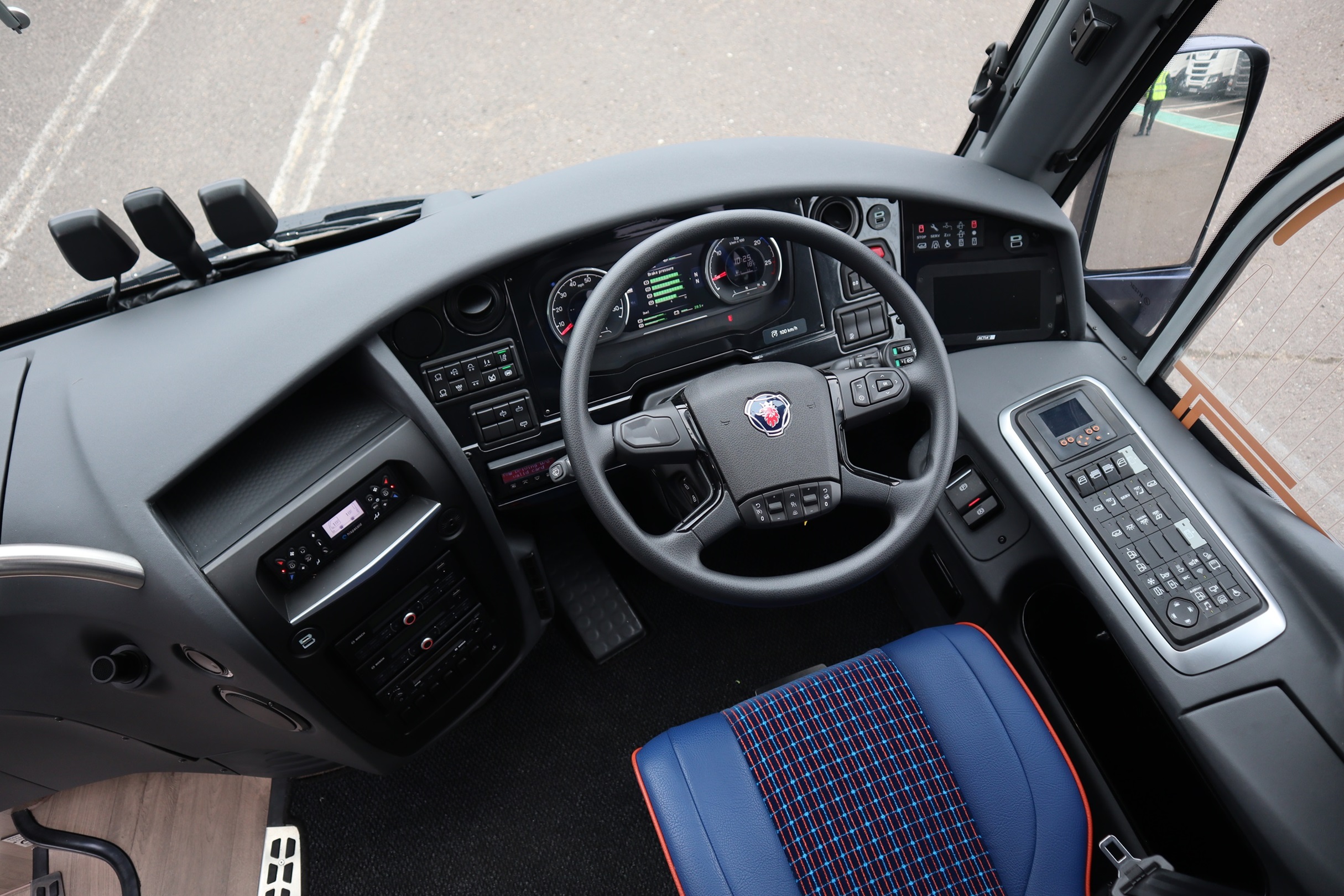
Mr Mason adds that customer focus groups held during development of the concept had highlighted legroom as a priority, along with toilet access, hence the latter’s floor-level specification. The business also heard that wi-fi and entertainment were of interest. As a result, the Azimut On Demand system is fitted.
It involves passengers downloading an app and accessing a wide range of content via the wi-fi from hard drives aboard the coaches using their own devices. Mr Mason says that Azimut “was very helpful” in getting the system aboard the Scania Irizars.
JG Travel Group initially spoke to various manufacturers about delivering the JG Explorer coaches, but project timescale and operator feedback led it to choose Scania and Irizar. Consultation with those partners also led to the withdrawal of an early plan to finish the front row of seats – which are always sold at a premium – in leather.
PSVAR readiness has been specified, with an additional nearside floor-level door already at the rear, but the vehicles will see up to eight years’ use on tours in the first place.
That will come via a five-year contract with operator partners to run them under the JG Explorer brand, and an optional three-year extension to move them to standard Just Go! work. To that end, additional seats have been supplied by Irizar to enable an increase in capacity to 53, with the rear servery able to be removed as part of that.
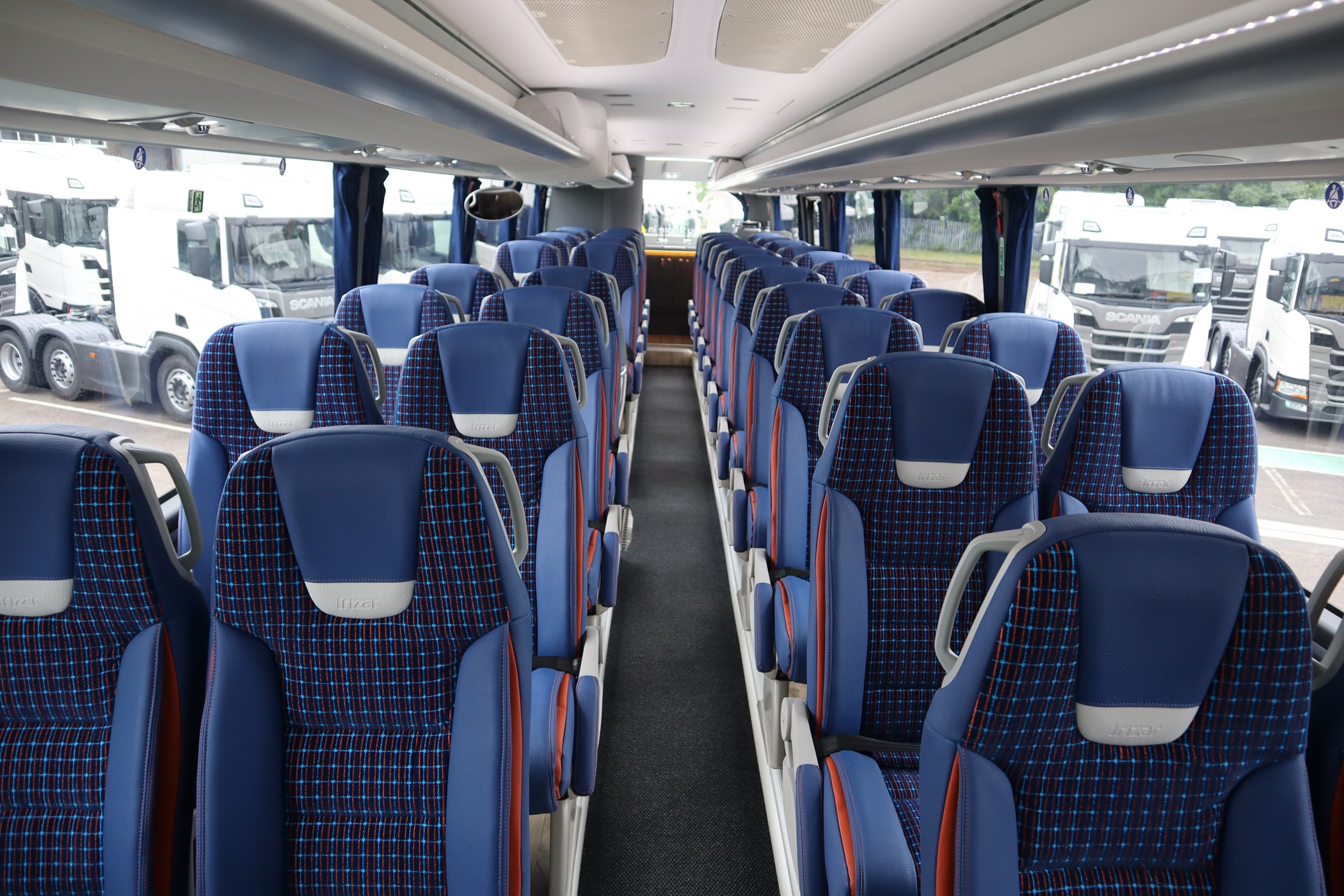
Further JG Explorer coaches are “quite likely,” but Mr Mason wants a full season’s experience of the initial five before committing to more. That will include seeking customer feedback and looking at whether any specification tweaks are necessary.
Sales of itineraries to be operated with the JG Explorer coaches have been strong since the concept was announced in 2023. “The first few months of tours operating with these new vehicles are sold out,” he continues.
Irish and longer duration European departure are particularly popular, although an important part of the JG Explorer approach is to ensure that clients travelling on UK holidays can also benefit.
“If first impressions are anything to go by, our customers looking for that extra level of comfort are going to love these vehicles,” Mr Mason sums up.
[adrotate banner="44"]
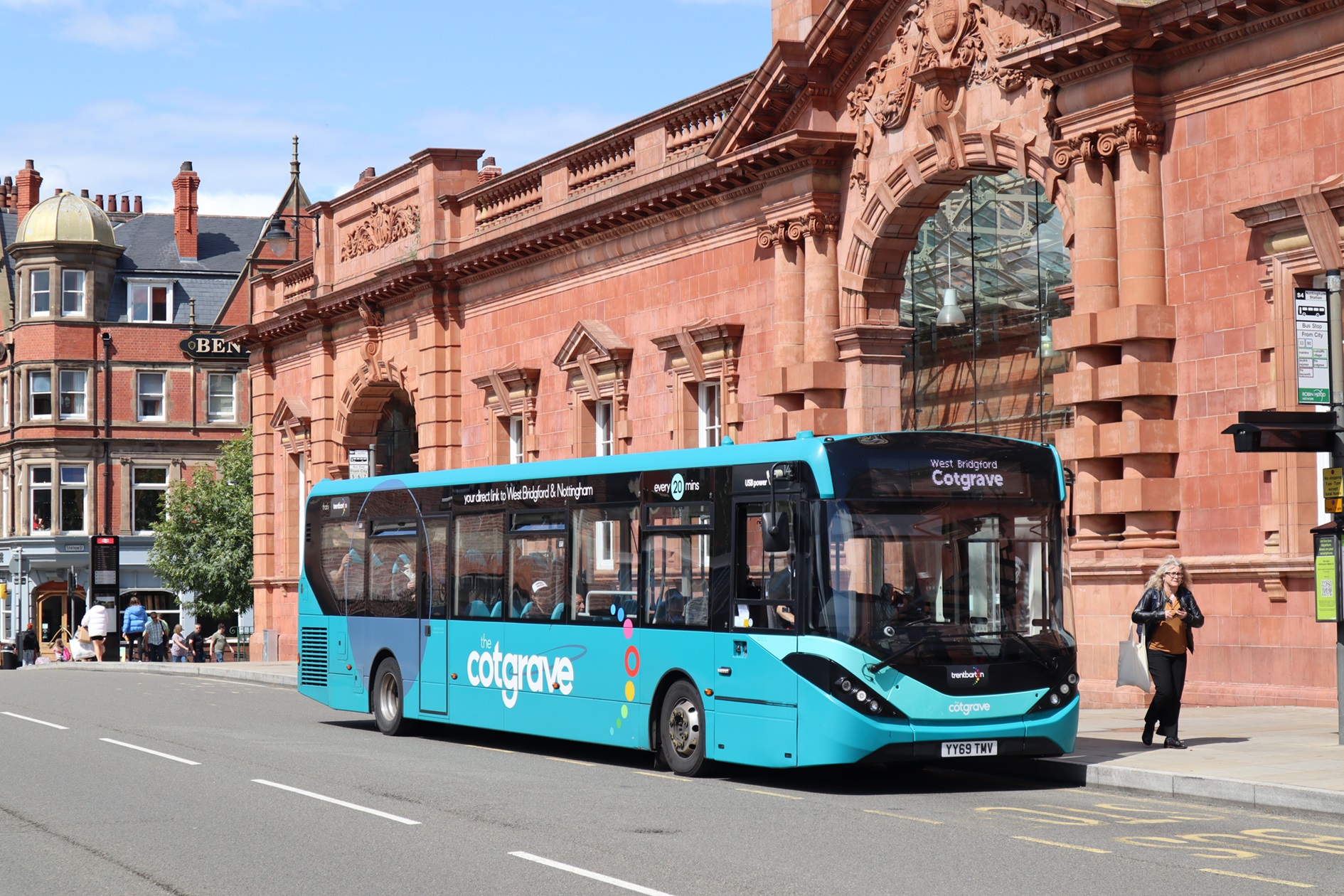
Trentbarton adopts EPM Control360 as part of operations platform
Trentbarton has adopted EPM and Omnibus cloud technology to drive operational efficiency, including EPM’s new Control360 solution. That is what the supplier says is an industry first fully integrated live operations platform for improving service delivery.
Control360 brings together information from individual systems, providing users with what EPM calls “an all-in-one operations platform to efficiently manage daily challenges and proactively resolve emerging issues through system alerts and insights, all in one place.” The package will also be deployed at Trentbarton's sister Kinchbus and TM Travel operations.
The business will integrate Control360 with two other new software implementations. Linking it to EPM’s incident management system, Traffic, will simplify the management of lost mileage records in real time, and reduce the amount of data input required in doing so.
The platform will also interact with the Omnibus depot allocation solution OmniDAS. Via a single graphic interface, that will give visibility of all drivers and ‘drag and drop’ capability to manage changes visually using the same rule validation as is within OmniDAS.
That view can be pivoted by vehicle to allow any changes to vehicles or incidents during operation to be quickly and easily recorded, the supplier continues.
Other efficiencies will be made by the implementation of the OmniENGAGE driver app, which will allow drivers to manage their work remotely and in real-time. Trentbarton will also move its Omnibus scheduling suite to the cloud, a shift that will bring new functionality including automatic file management and enhanced team collaboration.
Speaking about adoption of the solutions, Trentbarton Group Projects Director Mark Greasley says: “Omnibus and EPM’s strong track record and their ability to deliver a total end-to-end solution without relying on outside partners for complementary expertise make them a valued partner for Trentbarton to achieve our growth plans.
“With their proactive approach to developing new solutions and supporting operators in improving operational efficiency, we are confident that our future needs will be met as our requirements evolve.”
EPM and Omnibus Software Director Nick Brookes notes that bus operators have many tools to manage networks, but that “data is often siloed, so it is difficult to identify problems unless looking at the right screen, in the right software solution, at the right time.”
Continues Mr Brookes: “Control360 will bring key operational data from all these siloes together so operators can make informed, efficient and effective decisions all in one place. By combining this data, it will be easier for Trentbarton to ‘join the dots’ to identify problems and will facilitate proactive decision making – identifying problems before they even occur.”