
Strong leadership key to securing £47m for bus services in Derbyshire
Strong leadership and BSIP buy-in from operators has helped Derbyshire County Council secure £47m
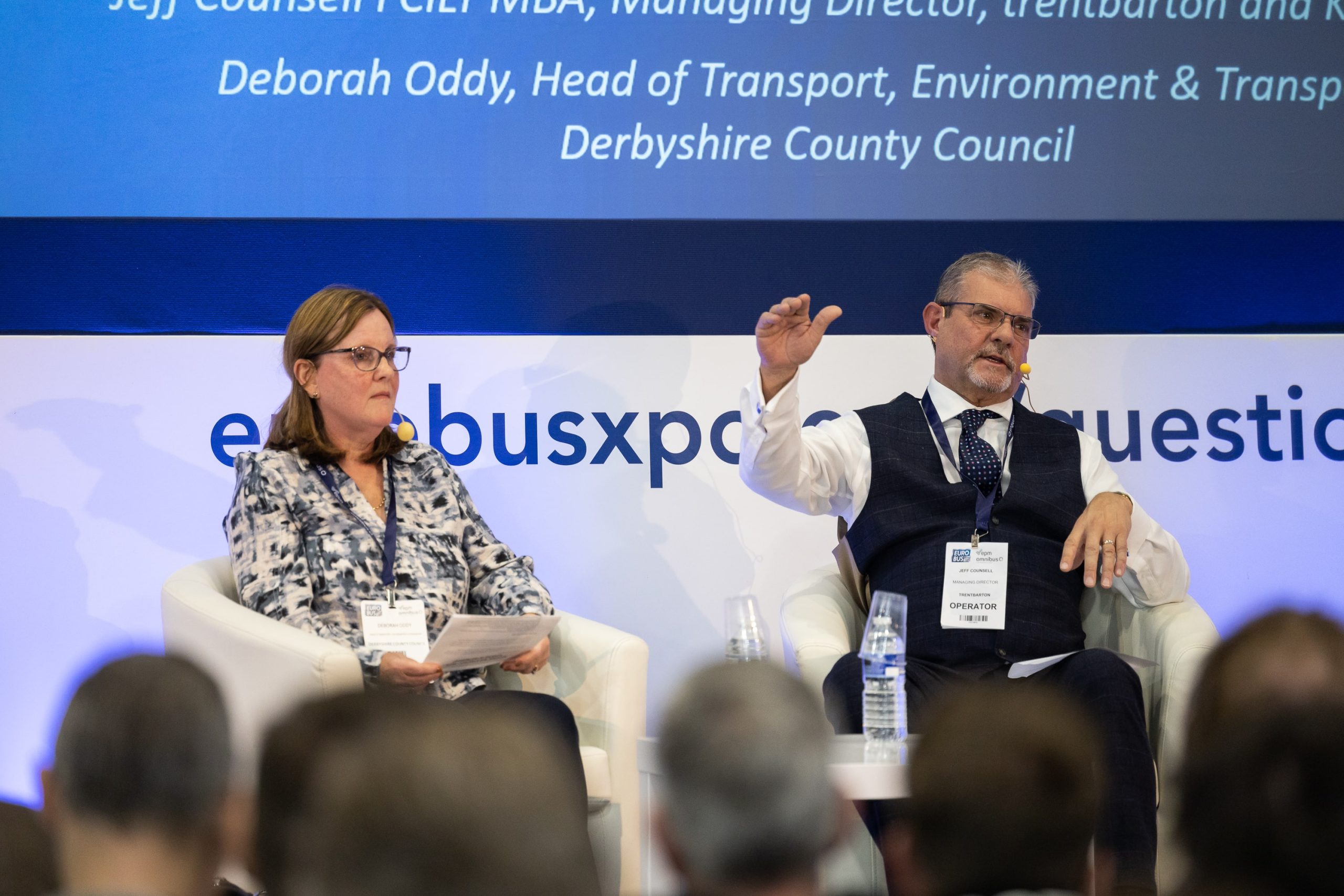
Managing Director of Trentbarton and Kinchbus Jeff Counsell, and Deborah Oddy, Head of Transport and environment at Derbyshire County Council, came together at the Masterclass Theatre at Euro Bus Expo on 2 November to discuss how they managed to secure £47m of funding through the Derbyshire Bus Service Improvement Plan.
Excellent attendance at meetings, including from Cabinet Member Councillor Kewal Singh Athwal, and buy-in from all operators in the region, has been key to the success of the Partnership, according to Mr Counsell and Ms Oddy. That attendance has allowed operators involved in the discussions to raise issues, such as around road work and traffic management, that have been dealt with by experienced council leaders.
Mr Counsell says that the partnership already had a good basis thanks to good relationships between bus operators in the region and the Derbyshire Public Transport Authority. “For 24 years that I have been with Trentbarton, we have had regular dialogue and meetings with officers and directors of the county, talking about bus services, so we are starting with a foundation that has always been really strong.”
He argues that collaboration has been successful due to commitment, time, and effort between all operators in Derbyshire, with customer focus at its core. “As an independent bus operator, the last thing we wanted was regulatory control,” he admits. “We did not see any need for statutory instruments to help us provide better services. We had a history of voluntary partnership which was very successful. But needs must, and we were as an industry forced down the line of Enhanced Partnerships, so our view turned to one of finding what was best for our customers. At the end of the day, the National Bus Strategy should be about improving the lot for customers.”
Capability and competence from experienced people has meant the Partnership is highly regarded by the Department for Transport. Adds Ms Oddy: “It was clear to me that the BSIP and the Enhanced Partnership had very strong leadership that created partnership, and as we all know, in those partnerships we have to invest a lot of time. It’ s challenging at times. But we’ve taken those difficult conversations and met them head on as a body and, as a board, addressed those issues.”

Mellor Sigma 8 to make debut at Euro Bus Expo
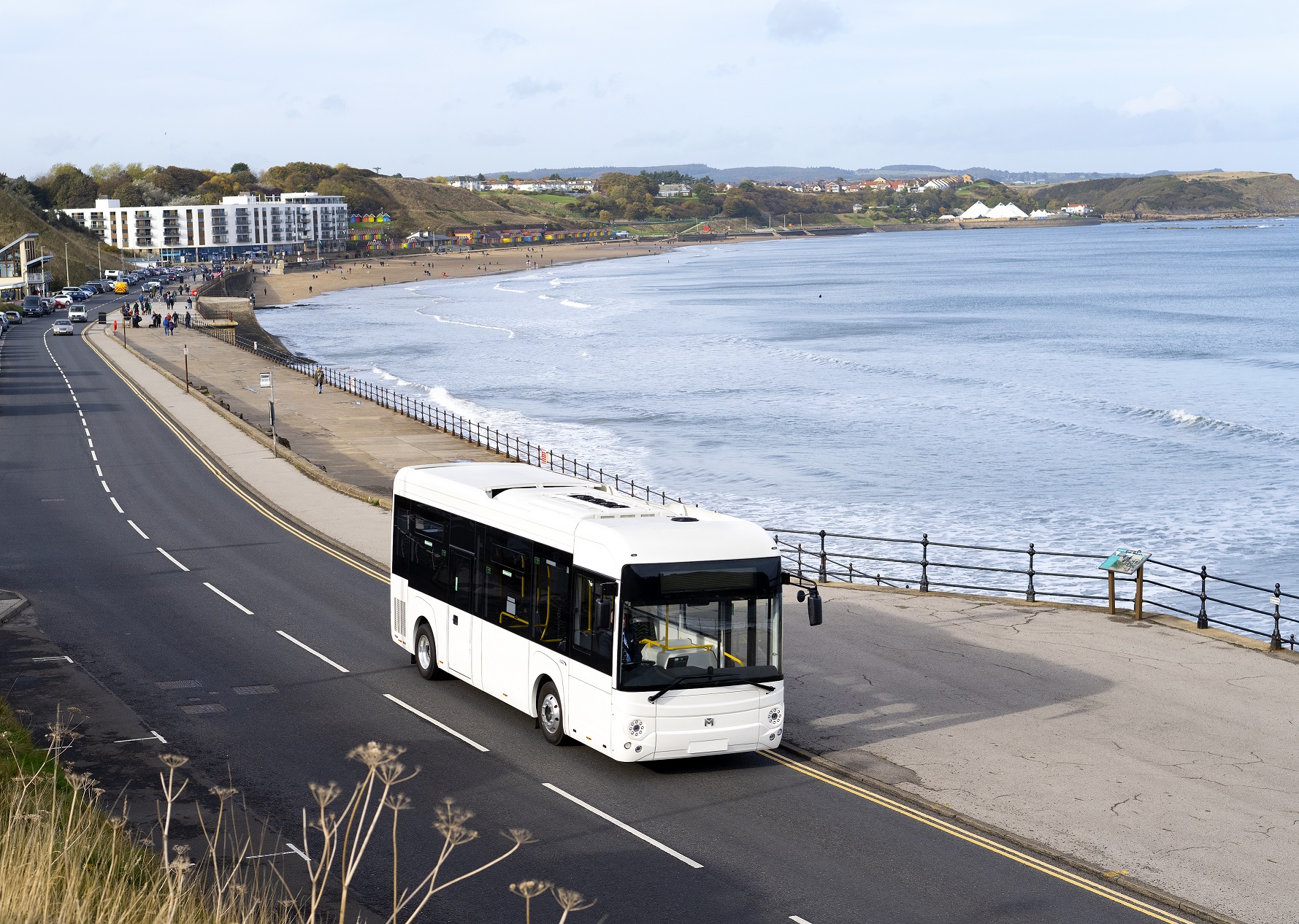
Mellor will debut a further member of its Sigma battery-electric bus range – the 8m Sigma 8 – at Euro Bus Expo, which will be held at the NEC Birmingham between 1-3 November.
The Sigma 8 is part of a line-up that extends from 7-12m and which Mellor indicated at the time of launch would be introduced progressively. It joins Sigma 7 and Sigma 10 thus far. Mellor says that the Sigma 8 will bring a 54-passenger capacity “and substantial size and cost benefits over competitors.”
Mellor also claims that the Sigma product represents “the most configurable bus range in Europe,” being available in both urban and rural specifications and with multiple door options. The manufacturer adds that “major orders” have already been received, with details of those to be revealed at Euro Bus Expo.
In announcing the debut of the Sigma 8, Mellor says that it is leading the way for battery-electric buses at that size point. Adds Sales Director Mark Clissett: “We are definitely shaking things up in the bus market. We have filled a gap where operators have previously been acquiring oversized, over-specified vehicles that continue to be under-utilised.
“Mellor, on the other hand, offers the right tool for the job. A fully electric, affordable, size-appropriate bus range that delivers a no-compromise solution. And our competitors are playing catch-up.
“Only recently, a well-known player in the market has said it will introduce an electric midibus in 2023 – while the Mellor Sigma range is available today.”
Alongside the Sigma 8 at Euro Bus Expo will be an example of the wheel-forward Sigma 7. The Sigma 10 will be present within the Zero Emission Zone, where visitors can ride aboard it.
Euro Bus Expo will be held between 1-3 November at the NEC Birmingham. Register for free tickets here. Mellor will be on stand E60.
Translink progressing with full-fleet Wheely-Safe rollout
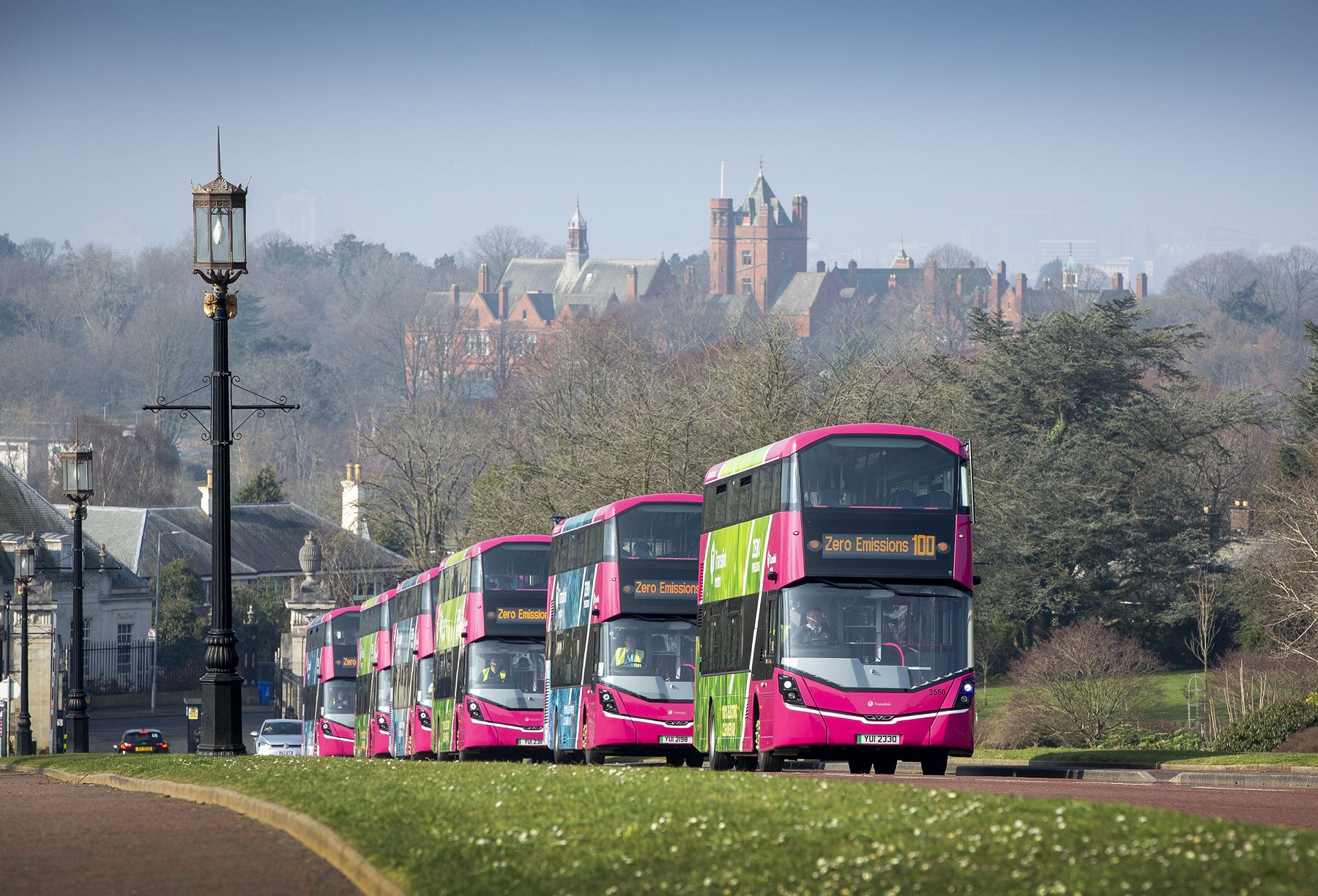
Northern Ireland operator Translink says it is in the process of completing a full-fleet rollout of Wheely-Safe technology across its 1,400 coaches and buses.
The product, which received an Innovation Challenge Gold Award at Euro Bus Expo in early November, is an in-motion wheel loss detection system that combines brake and hub temperature monitoring with an intelligent tyre pressure monitoring system (TPMS).
As installed by Translink, the Wheely-Safe product has external TPMS sensors replacing the conventional valve cap. They auto pair with an in-cab receiver and work alongside a pair of wheel loss sensors on each wheel. Diagnostic software built into the receiver confirms that all sensors are working and paired correctly.
Translink signed a contract with Wheely-Safe in 2021. The operator's General Manager Engineering David Barnett says rollout of the technology is "another important part of our ongoing process to install industry-leading health and safety standards across our fleet."
Mr Barnett adds that a trial was completed before completing the order. It "confirmed all the positive reports we had previously heard about the product. Having one system in place that alerts our drivers to a drop in tyre pressure, brake or hub overheating or a wheel nut loosening gives us real peace of mind."
Comments Wheely-Safe Group Managing Director Gary Broadfield: "This is a significant contract, one of the largest since we first brought the technology to market. It is great to know our latest generation technology is now protecting Translink's entire bus fleet, and all its customers in Northern Ireland."