
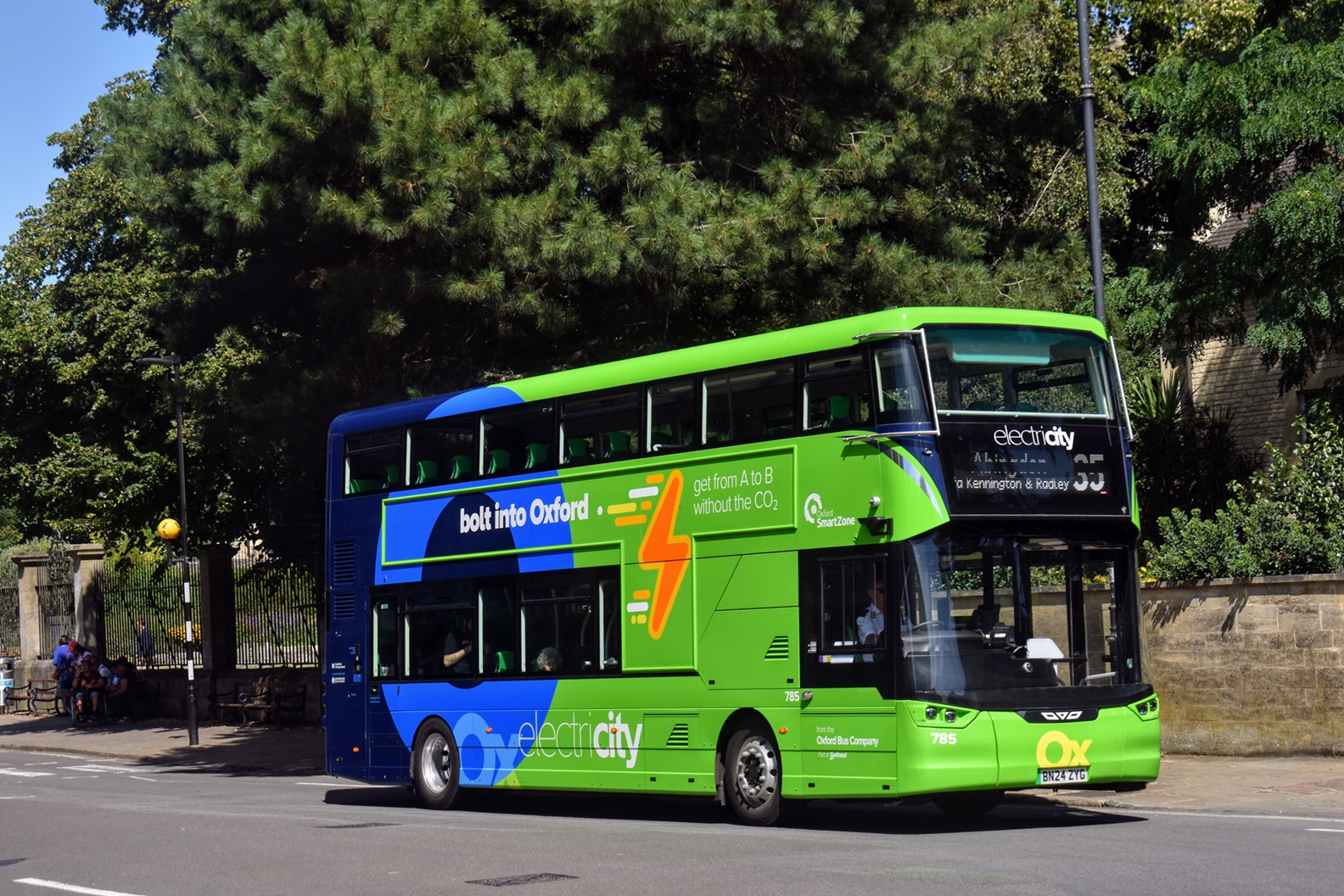
Key advancements and challenges for electric bus tech in 2024

As we settle into the final quarter of 2024, Director of EV Fleet, UK and Nordics Bradley Fox looks back on the year, the major advancements in electric bus technology, and the other elements that still have not fully evolved.
With Euro Bus Expo almost here, Bradley also shares the topics and questions to make the most of your time when meeting electric bus OEMs at industry conferences and events.
As always, if you have any questions, please get in touch with us.
Steven Meersman, Co-Founder and Director, Zenobē
Battery-electric bus advancements in 2024
More efficient vehicles
One of the most noticeable advancements in battery-electric bus technology we have seen this year is the improved energy consumption of vehicles. Leading bus manufacturers have reported a c.20% uplift in efficiency (kWh per mile) over the last three years.
Better energy efficiency means that the vehicles have longer ranges, and less energy is required to charge the batteries, leading to reduced ‘fuelling’ or energy costs. This year has also seen a focus on integrating AI technology into the operating systems of new vehicles for smarter route planning and energy management, making them even more efficient.
Battery advancements and warranties
Battery energy density is improving for longer range and shorter charging times. New double-decker buses typically have a range of 250 miles or more, a 25% increase compared to first-generation vehicles launched back in 2017.
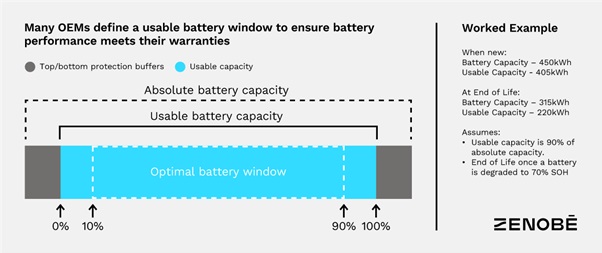
With increased range, and research suggesting that batteries degrade the least when used at between 10-90% state of charge, we should start to see operators overcoming range anxiety and implementing smart charging strategies to charge their vehicles to 90% rather than 100% to achieve decelerated battery degradation.
As the market and technology matures, we have seen a movement to longer battery warranty periods, with OEMs extending from eight years up to 11 years in the past 12 months.
Some OEMs are even starting to offer warranties of up to 15 years as they become more comfortable with the technology. The advantage of longer warranties means that operators can plan the battery replacement cost for later in the vehicle’s life, to a time when batteries are forecast to be cheaper.
Longer battery warranties also enable vehicle lessors like Zenobē to lower monthly lease costs by being able to price in residual values, ultimately driving down the total cost of ownership of electric fleets.
Smart tech, data, and the growth of solar
Electric buses are increasingly being equipped with smart technologies such as Internet of Things sensors for real-time monitoring of performance, battery health and predictive maintenance.
Thermal management systems within buses are also improving, helping to maintain optimal operating temperature while enhancing battery performance and longevity.
This increased monitoring compared to diesel and even first-generation electric buses is providing operators with greater oversight of their electric fleets, from the state of health of their batteries to what the optimal temperature of a vehicle should be depending on the time of year.
More data means more opportunities to operate a fleet more efficiently, and ultimately, to reduce costs.
Across Europe, we are seeing a massive growth in solar installations by domestic and commercial users. Annual installed rooftop capacity is expected to reach 183GW globally by the end of this year.
There is an opportunity here for fleet operators to start self-generating their own power and benefit from reduced exposure to volatile energy markets.
We are seeing instances where operators could achieve greater than 70% self-consumption by using advanced scheduling and charger management to oversee their power demands and match it to their on-site solar generation.

Retrofit and repower both part of electric bus advancements
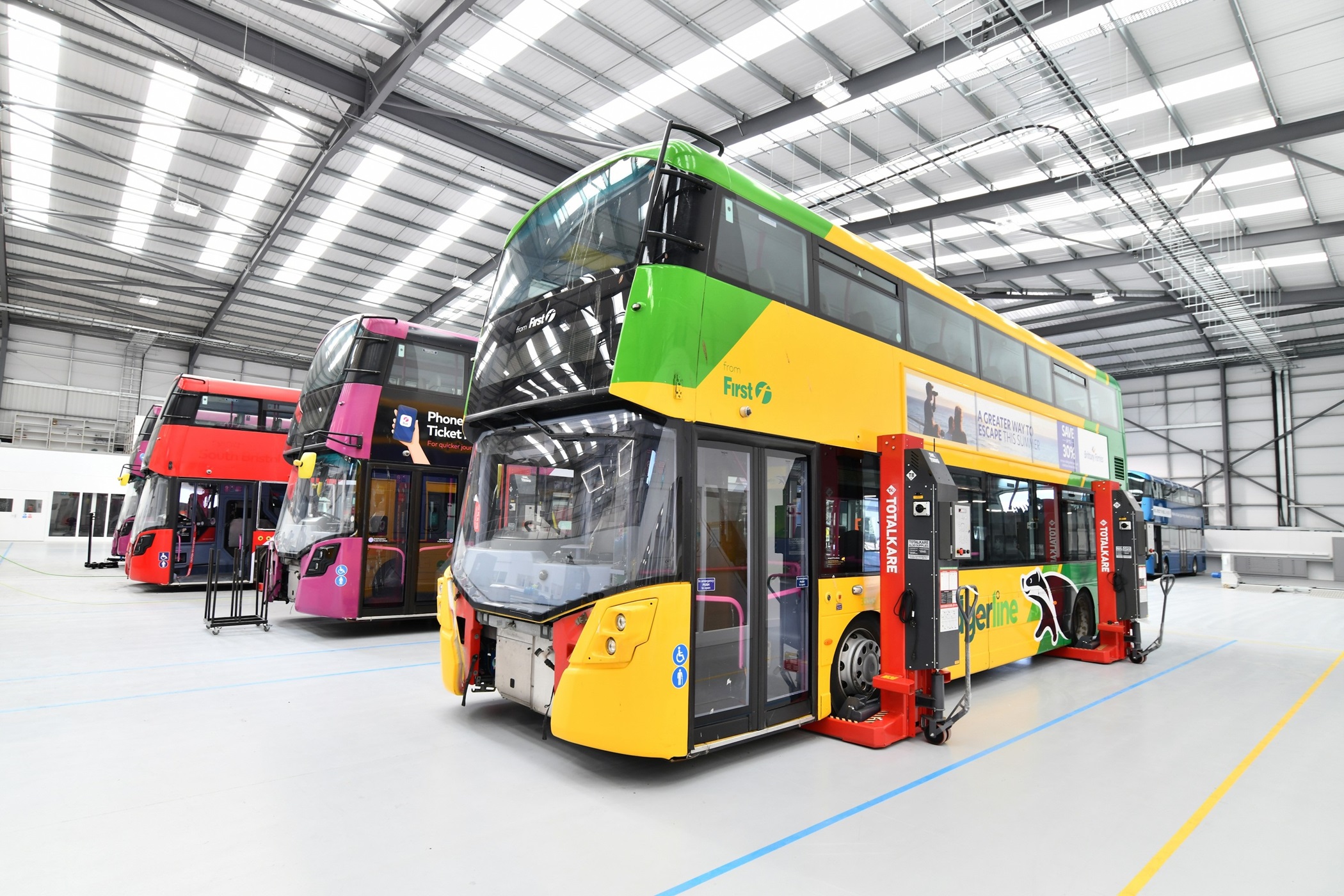
We have seen some big developments this year in the retrofitting and repowering space. Wrightbus launched a battery-electric repower offer for diesel vehicles as part of its NewPower enterprise.
The repowering process involves the fitment of a new battery, drivetrain, and heating, ventilation and air-conditioning system into the existing diesel vehicle, and can take just three weeks to complete.
Earlier this year, we partnered with Big Bus Tours to finance and support the operation of 20 repowered tour buses as part of its London fleet.
What elements did not progress as quickly as hoped?
While looking back on the trends of 2024, it is also important to consider what has not progressed as well as expected, and where that goes next.
Vehicle-to-grid (V2G) technology needs more time
While the prospect of electric buses not only drawing power from the grid but returning stored energy back to it is exciting, we have not seen major developments this year in the rollout of V2G.
With a reliance on bidirectional communication between vehicle and grid, there is an information gap here that is yet to be filled through more engagement between fleet and grid operators around the technology.
There has been some movement in the United States, where the US Department of Energy recently launched a programme to look at how V2G integration could be scaled nationally. While that is a positive step for V2G, it is an indication that more research is required before V2G becomes a viable option for operators.
However, the prospect of V2G and the potential benefits it may bring to bus operators and the energy network are very exciting, and something to watch:
- Bidirectional charging: V2G allows electric buses to use bidirectional chargers that enable power to flow both from and to the grid, facilitating energy exchange
- Grid stabilisation: A fleet of battery-electric buses equipped with V2G technology has the potential to provide services to stabilise the grid and balance supply and demand during peak energy usage times
- Renewable energy integration: Electric buses can store energy generated from renewable sources such as solar and wind during low demand purposes and then discharge it back to the grid when needed – another useful grid stabilisation tool
- Cost savings: Selling this stored energy back to the grid during peak pricing periods can significantly reduce overall operational costs.
Charging speeds have not increased as expected
Pantograph-based charging excluded, the power that electric buses can charge at is still limited to c.200kW, based on a 450kWh battery that takes c.2.5 hours to charge.
Going into 2025, we would expect that electric bus OEMs will be focused on improving the charging rates of their equipment so that charging windows can continue to shorten, ideally to below 90 minutes, to provide significant operational benefits.
However, high-powered charging can increase battery degradation, so route allocation will be key to ensuring that individual vehicles are not repeatedly charged at an ultra-fast rate.
New battery chemistries
We still have not seen any major updates in the development of new battery chemistries for electric buses.
Research into solid-state batteries with a promise of higher energy density, potentially enabling longer ranges and faster charging compared to traditional lithium-ion chemistry, is ongoing.
We would have expected new battery chemistries beyond the traditional lithium iron phosphate (LFP) and nickel manganese cobalt (NMC) to have been tested and deployed.
That said, we are seeing lithium manganese iron phosphate (LMFP) technology start to enter the development and validation phase, with expectations that it will deliver improved performance at a similar cost to existing chemistries.
Taking this knowledge and making the most of industry events
We are excited to be exhibiting at Euro Bus Expo in 2024, on stand 280. While it is a fantastic opportunity to see new technologies available to the market and to get a sense of the latest developments in the industry, getting to the crux of what matters to you in your fleet electrification journey can be complex.
To get the most out of your time at Euro Bus Expo, here are some of the questions and topics to help you kick off your conversations with electric bus OEMs and make an informed decision about the next step of your fleet electrification journey:
- Ask what the expected battery degradation curve is. This is the rate at which the vehicle’s battery will degrade to the end of its first, usable life. It will immediately set expectations on the performance of the vehicles and the battery’s useful life
- Enquire about the battery warranty conditions, including whether monitoring software can detect warranty alerts when the vehicle is out of its warranty period
- Find out whether full access to the electric bus data is provided once the vehicles are up and running so you can make informed decisions on operational behaviour and reduce costs
- Ask for details of battery replacement costs and the process involved to support that. For example, will you be able to use alternative chemistries when the battery needs replacement? That will enable you to take advantage of possible technological advancements
- Ask about energy losses when charging the bus. Some vehicles are more efficient than others, and energy losses through the charging cycle mean additional cost to charge the vehicle.


Meet the Brand: Towergate Insurance
We catch up with Halimah Mirza from Towergate Insurance to find out more about their brand and exhibiting at Euro Bus Expo, on stand 156
Tell us a bit about your company?
Towergate Insurance are a leading independent insurance broker and risk management advisor in the UK with a strong presence in over 50 communities. They specialise in bespoke insurance for buses, coaches, and minibuses, offering coverage for fleets of every size. As well as motor fleet insurance, a complete range of covers is available including property, employers’ and public liability, and specialist insurance for tour operators. A team of Towergate claims specialists and 24/7 direct-to-insurer motor claims helplines are available to provide a proactive and responsive claims service to meet the diverse needs of clients.
Tell us about your latest product(s), service(s), promotions or launches visitors can hope to see on your stand?
Motor Fleet, Commercial Combined, Combined Liability, Personal Accident and Travel, Management Liability, Cyber Liability, Engineering Inspection, Tour Operators Liability, Travel Bonds, Fleet Risk Management, Bespoke Health and Safety, Private Medical, Claims Management Services.
A free insurance review will be available at the stand advising market trends, rate stability and new products.
A chance to win an overnight stay for two (T&Cs apply)
Towergate Travel can carry out a free review on the day of your travel insurance scheme requirements, providing advice on the best way forward for you through the regulations.
Why is exhibiting at Euro Bus Expo 2024 an unmissable opportunity for you?
The expo attracts key decision-makers from the bus and coach expo, including operators, manufacturers and suppliers. This is a great audience for showcasing our specialised products tailored for the transport sector. With thousands of visitors, exhibiting at the expo raises Towergate's profile in a highly relevant market and provides insights into the latest innovations and trends in the transport industry which helps Towergate stay informed and adapt its insurance offerings to meet the evolving needs of the sector.
Transport Minister to Open Final Day of Industry’s Leading Showcase
Euro Bus Expo 2024 brings the UK’s bus and coach industry together, with 190 exhibitors, 75+ vehicles, and three days of expert-led insights on the future of transport.
The UK’s largest coach and bus industry event, Euro Bus Expo, is just days away. Running from 12-14 November 2024 at the NEC Birmingham, this event brings together industry leaders, cutting-edge innovations, and practical insights into the future of passenger transport.
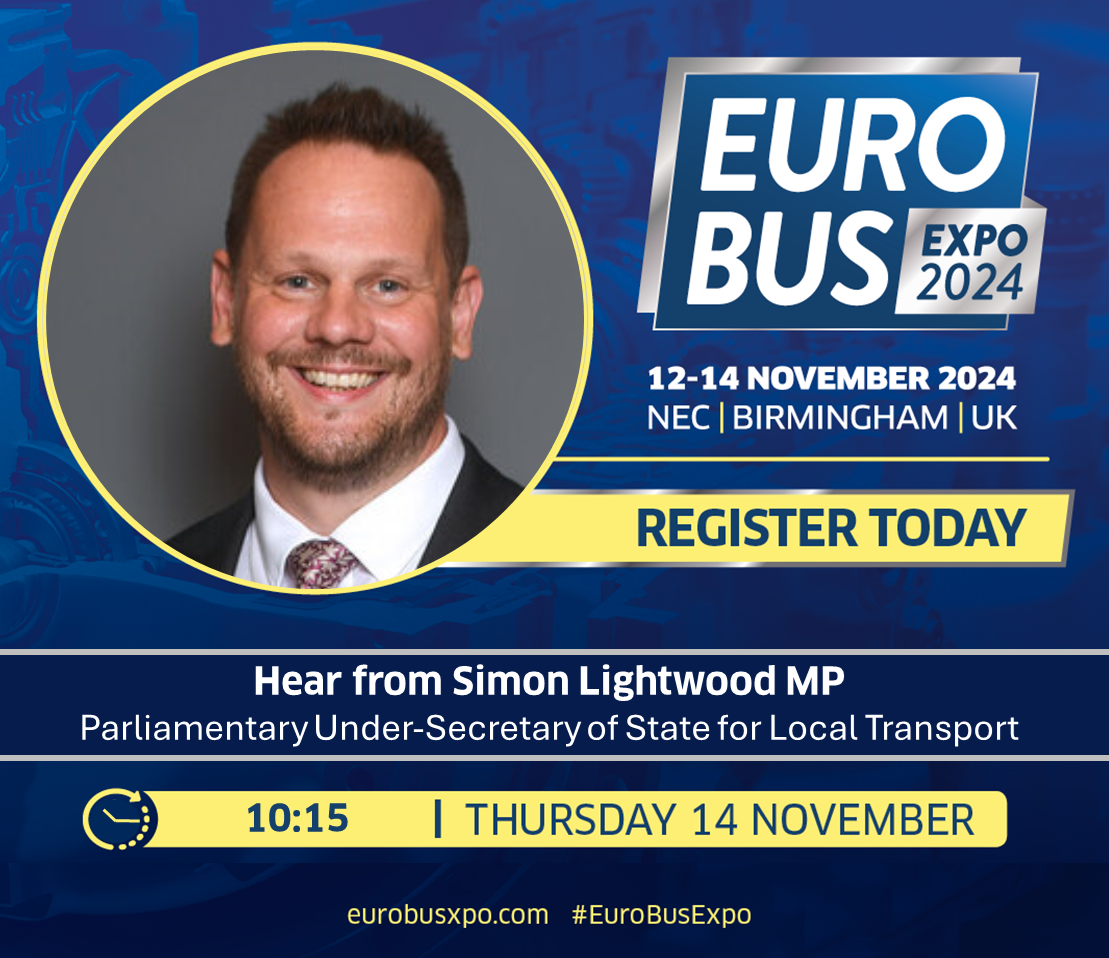
Opening the event on its third and final day, Simon Lightwood MP, Parliamentary Under-Secretary of State for Local Transport, will deliver an address at the Masterclass Theatre.

Transport Minister Simon Lightwood’s Address
Simon Lightwood MP, appointed Parliamentary Under-Secretary of State for Local Transport in July 2024, will open Day three on 14 November with a 10-minute address. As a former Shadow Transport Minister, Lightwood brings a wealth of experience in local transport.
The Minister is expected to talk about the Government’s ambitions for the coach and bus sector, and how it will approach supporting the key role played by manufacturers and suppliers in delivering this. This address offers attendees insight into the Government’s vision for the future of the UK’s coach and bus industries.
Helen Conway, Event Director for the Expo’s organiser, Diversified Communications, says: “We are absolutely delighted to welcome Transport Minister Simon Lightwood to Euro Bus Expo.
“His support highlights the importance of the coach and bus industry, and his presence underscores the vital role we all play in shaping sustainable and efficient public transport for the future. It will be an honour to have him there showing his commitment to the issues that matter most to our industry.”
Masterclass Theatre Programme
Simon Lightwood MP’s address is one of many highlights in the three-day Masterclass Theatre programme, which features 47 speakers in 28 sessions, including:
- Day 1: Sessions on achieving Net Zero, franchising models, and decarbonising fleets, including insights from Andrew Luckett on the UK’s largest data-driven decarbonisation report.
- Day 2: The CPT Operator Forum, hosted by the Confederation of Passenger Transport, will cover topics such as AI, accessibility, recruitment, and the future of coach travel.
- Day 3: Beyond Simon Lightwood’s address, attendees can explore sessions on zero-emission fleet operations, driver wellbeing, and the conclusion of the show’s Innovation Challenge.
A Comprehensive Showcase
Euro Bus Expo 2024 is set to host 190 exhibitors, showcasing a range of vehicles, equipment, technology, and services. With over 75 vehicles on display - including several new launches - from 25 leading manufacturers and dealers, visitors will see the latest advancements in zero-emission technologies, accessible transport solutions, and luxury coach travel.
Further highlights include:
- Innovation Challenge: A premier competition showcasing industry-leading innovations, where finalists will pitch their products to a live audience on 14 November. The winners will be awarded gold, silver, and bronze certificates, as well as an Operators’ Choice Award, as voted by visitors on the first two days of the show.
- Euro Bus Expo Connect: New this year, Euro Bus Expo Connect allows registered visitors and exhibitors to arrange meetings, build personalised itineraries, and connect with industry peers in advance of the show.
Register Now for Free Admission
With over 8,000 expected attendees, Euro Bus Expo 2024 is the must-attend event for coach and bus industry professionals.
Free registration is available at eurobusxpo.com.