
VEV supports Stagecoach’s Bus Electrification with high-power charging, solar power & control platform
- VEV is building high-powered DC charging infrastructure for over 150 electric buses across four UK depots: Leamington, Nuneaton, Rugby, and Chesterfield.
- Solar power generation will be installed at Chesterfield, Leamington and Nuneaton, reducing reliance on the national grid with forecast lifetime savings over £1 million.
- The project supports Stagecoach's decarbonisation strategy which involves acquisition of new electric vehicles (EVs), along with significant depot and infrastructure upgrades across the country.
- Stagecoach is piloting a B2B charging hub in Aberdeen to maximise utilisation of charge points by offering them to third parties when buses are out of depot.
- VEV has installed its digital platform VEV-IQ to manage the hub – charger scheduling & status, power demand & usage – and optimise efficiency for all parties.
- Stagecoach joined VEV in Bogotá, Colombia to see best practice bus electrification at scale at a large 100% electric bus project built by VEV’s sister company VGM.
- High-resolution imagery can be downloaded here.
London, UK (12th November, 2024) – VEV, the e-fleet solutions provider backed by Vitol – a world-leader in the energy sector – has announced its work with leading bus operator Stagecoach, to accelerate its bus electrification programme.
In support of Stagecoach's decarbonisation strategy, VEV was appointed to build high-powered DC charging infrastructure across four UK depots. The infrastructure will power 150 electric buses in Leamington, Nuneaton, Rugby, and Chesterfield.
Taking the initiative further, VEV will also install solar power generation at the Chesterfield, Leamington and Nuneaton depots. This innovative approach will harness sunlight during daytime hours to reduce Stagecoach's reliance on the national grid for its power. The project has an estimated, predicted lifetime cost saving of more than £1 million for Stagecoach, demonstrating the economic viability of the transition to electric fleets.
In a parallel development, Stagecoach is trialling the use by third parties of the charging infrastructure at its electric bus depot in Aberdeen. The goal is to maximise utilisation of the high-powered DC chargers when buses are out during the day. If successful, the hub will extend to another depot in Aberdeen and one in Perth, totalling 54 charge points.
The chargers will be managed through VEV’s smart charging & digital energy management platform VEV-IQ, which will monitor and optimise power usage and charging scheduling for the charge points. The VEV-IQ software will maximise charger utilisation and the overall efficiency of Stagecoach’s valuable charging assets in the hub.
Mike Nakrani, CEO of VEV said: "We're delighted to support Stagecoach's sustainability goals. Our collaboration marks a notable step towards sustainable public transport in the UK. By combining innovative technology with strategic infrastructure, we're creating a more environmentally friendly and efficient bus network.
“The shared charging hub in Scotland highlights the need and potential for cross-sector collaboration to expand sustainable transport options and offset the costs of transitioning to electric for commercial fleet operators. Making the switch from diesel to EV requires careful planning and optimisation to be successful not just at the point of delivery but throughout the lifecycle of the bus. At VEV we recognise these complexities and take a digital and data-first approach to EV fleet operations, which is why we continue to invest heavily in our VEV-IQ platform to develop its data-science capabilities."
The collaboration between VEV and Stagecoach is also drawing on global best practice with a recent visit to a large 100% electric bus operation in Bogotá, Colombia, built by VEV's sister company, VGMobility.
This state-of-the-art facility showcases the full potential of electric bus operations across 3 depots, 400+ buses and 21 360KW DC superchargers with 8 connectors per charger. The project has not only delivered new, clean, and efficient vehicles but also proved the electrification business case with cost-efficient operations fully financed over 15 years. The VEV-IQ platform is in the process of being installed to the facility.
Claire Miles, CEO of Stagecoach said: "The trip to Colombia was extremely useful and I learned a great deal from being there. I was particularly impressed by the clean, quiet electrified depot and the scale of the operation. Seeing first-hand the power of digital technology to run a huge 100% electric fleet was enlightening. The depth of VEV's expertise in this field was a key draw for Stagecoach, and we're pleased to work with them on our electrification projects, leveraging their global experience to drive our sustainability goals forward."
For media inquiries or further information, please contact [email protected]. VEV’s media kit is available here.
About VEV
VEV helps organisations deliver on their carbon reduction ambitions with an end-to-end fleet electrification solution that integrates across vehicles, charging infrastructure and power. VEV is owned by Vitol, a world leader in energy, which to date has committed circa $2 billion to sustainable energy initiatives worldwide.
VEV navigates the complexities of EV transformation to design and implement cost-effective EV fleets optimised for specific fleet requirements. It supports EV fleet operations to guarantee resilience and keep mission-critical fleets running at scale. Bespoke, scalable business solutions are designed around the customer’s own fleet data analysed by a powerful assessment tool, VEV-IQ, and VEV’s experts in energy and sustainable e-mobility. VEV sets businesses up for success in an electrified future.
More information at VEV.com
About Stagecoach
Founded in 1980, Stagecoach has established itself as the UK’s largest transport operator, with services connecting more than 100 major towns and cities in England, Scotland, and Wales.
Stagecoach works with its partners to deliver a greener, smarter, safer, healthier, and fairer country. Providing extensive expertise in commercial and contracted markets, Stagecoach assist national and regional government to deliver on ambitious plans for their citizens, communities, and local economy. Its team of 23,000 employees are proud to serve our customers and be an integral part of their local communities.
More information at Stagecoachbus.com/

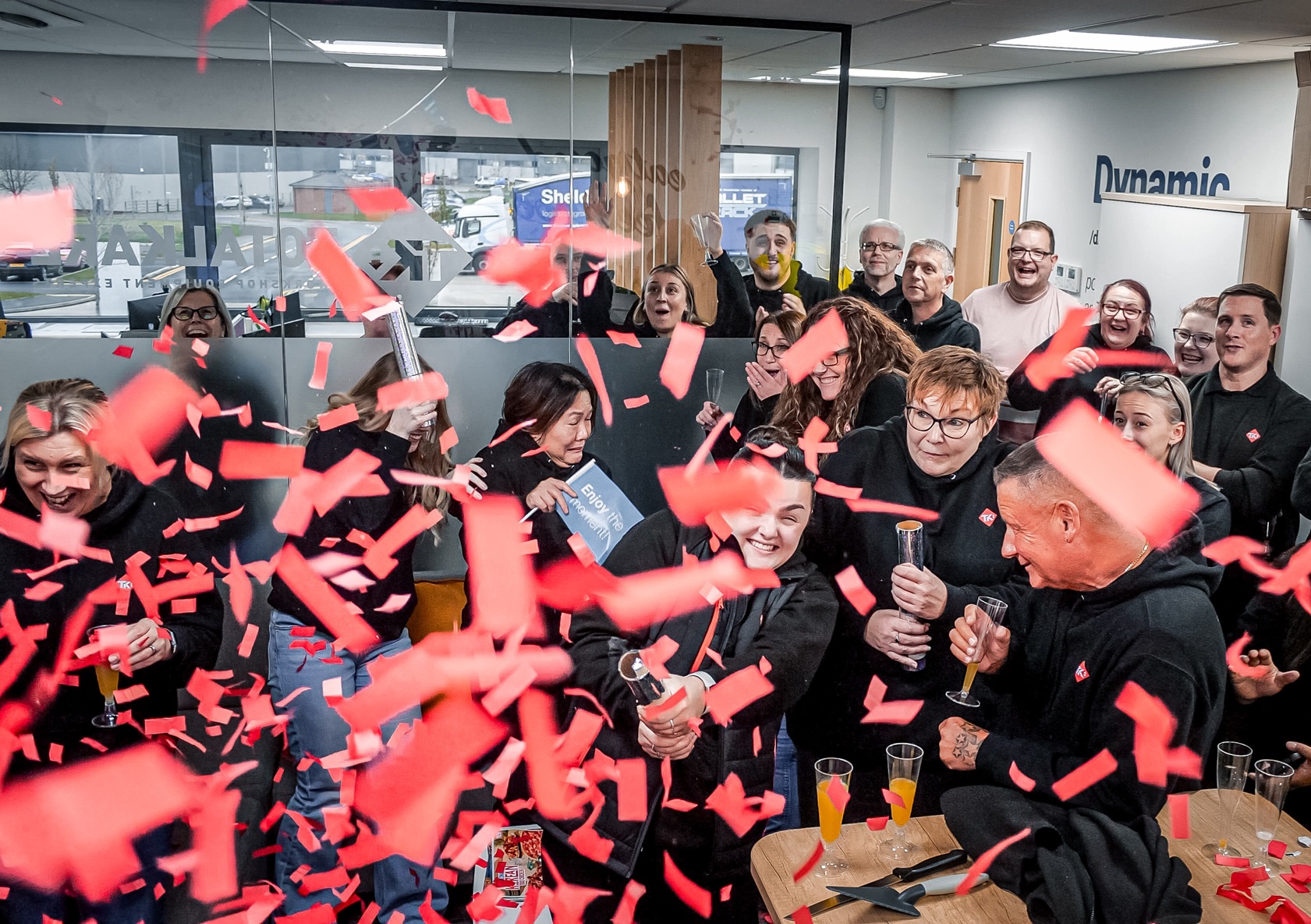
Totalkare widely recognised in Best Companies 2024 rankings
Workshop equipment specialist Totalkare has been recognised with a trio of accolades in the Best Companies 2024 rankings. That includes being named as the best manufacturing employer to work for in the UK.
It was also placed number 30 on the best mid-sized company to work for in the UK roster, and number 20 on the best company (of any size) to work for in the West Midlands list.
In addition, Totalkare’s ranking on the Best Companies 2024 chart was raised to outstanding from its previous very good. That follows the success of the recent b-Heard employee engagement survey. It assessed that metric across a comprehensive range of factors, aligning results with Best Companies’ eight factors of workplace engagement.
Totalkare notes that the combination of achievements affirms its position “as a regional leader in workplace excellence.”
Findings from the b-Heard survey reflected Totalkare’s strong culture of collaboration and social responsibility. 93% of the business’s employees are happy with their work/life balance, while 92% feel proud to work for Totalkare. 89% feel that its management team actively listens to feedback from the wider business.
Recognition came as part of the Best Companies 2024 big reveal. Totalkare HR Manager Jack Webb spoke with the BBC’s Sally Nugent about the supplier’s approach to employee engagement, wellbeing, and its RULE initiative, which aims to foster deeper cross-departmental understanding.
Reflecting on the results, Totalkare CEO David Hall says: “We have always strived to foster a positive culture, and it is fantastic to see this reflected in our staff feedback and high rankings in Best Companies.
“Competing alongside some of the largest employers across sectors in the West Midlands, this achievement showcases our commitment to employee wellbeing and a balanced work/life environment.”
In further prioritising its employee experience, Totalkare recently expanded its office facilities and improved its pension schemes, gym access, and social events. “Our engagement rate has grown each quarter, and we are dedicated to enhancing these benefits even further,” adds Mr Hall.
[adrotate banner="37"]
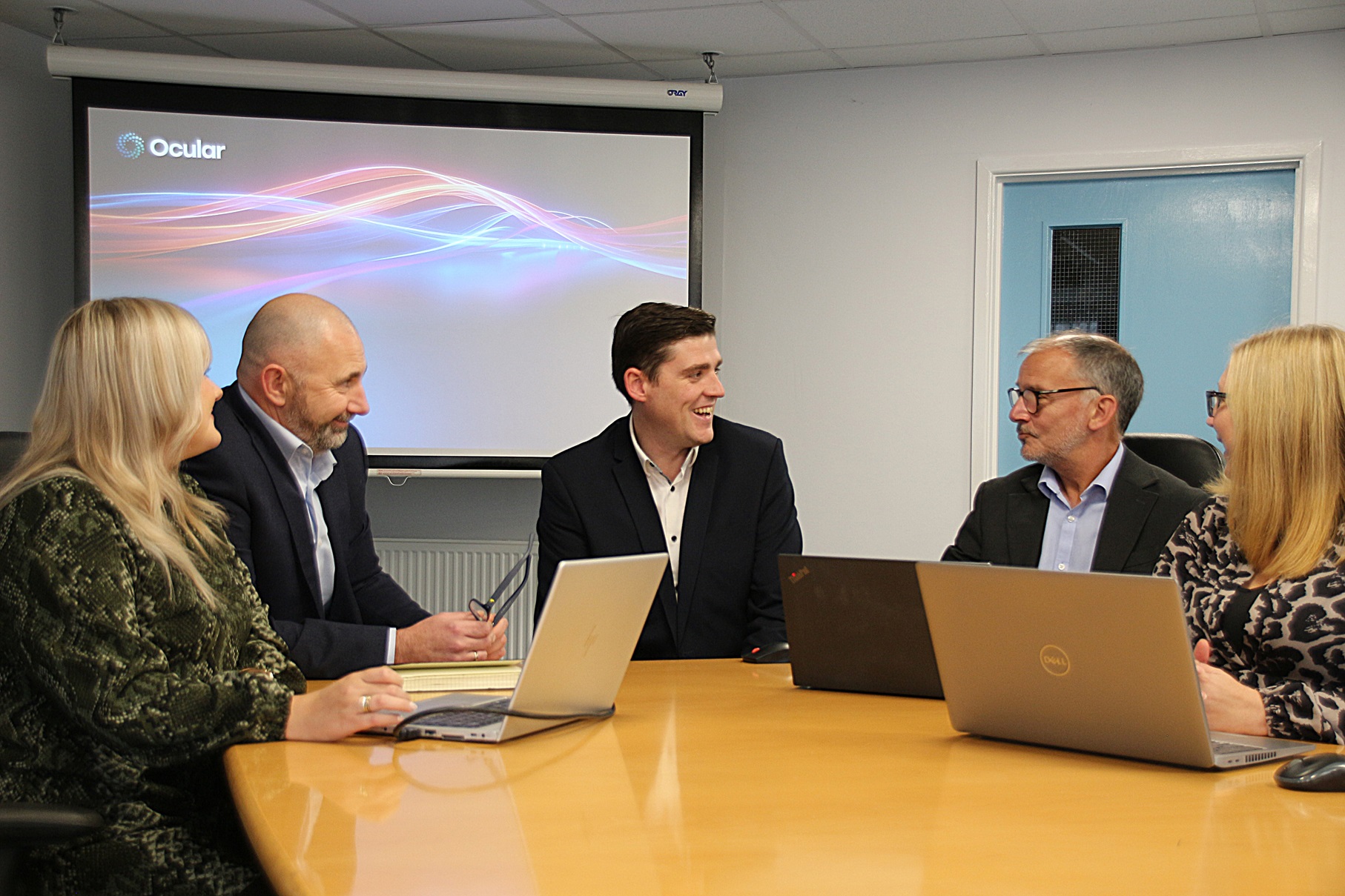
Ocular Integration is new name for Synectics Security business
Transport infrastructure and vehicle security integration specialist Synectics Security has rebranded to Ocular Integration under new leadership.
The change represents what the supplier says is its "independent and visionary focus on delivering the latest technical solutions for protecting buses, trains, stations, depots, terminals, ports and the people who use them.” Dublin Bus and Stagecoach are among its customers.
Chris Jepson (pictured, centre) has been appointed Managing Director of Ocular Integration. He has a background in security technology engineering, particularly relating to what the business says is “intelligently integrated on-vehicle solutions for highly regulated urban transport providers.”
Mr Jepson brings over two decades’ experience in the industry. Ocular will continue to operate from its Nottingham head office, building on an experienced team and a 45-year history formed under the Quadrant Security Group and Synectics Security brands.
Visitors to Euro Bus Expo at the NEC Birmingham on 12-14 November will be the first to see the Ocular brand identity. On-board hub technology will also be on show that the business says is “set to unlock new levels of integration and operational efficiency by revolutionising the on-vehicle ecosystem.”
Speaking about the change in identity, Mr Jepson says: “Transport infrastructure and service operators face an increasingly complex array of challenges.
“The age-old need to protect revenues and ease cost pressures is often now seemingly at odds with finding new ways to guard against sophisticated physical and cybersecurity threats, to work more collaboratively with stakeholders, and to meet passenger expectations in terms of service provision.
“At Ocular, we have both keen vision and ability to help customers navigate this tricky and rapidly evolving landscape. We have a vast network of technology partners and decades of technical and project management experience – projects always delivered in strict compliance with regulatory standards.
“All of this means that whether an organisation needs the latest in AI-based analytics, the ability to securely share system access or footage with authorities and/or insurers, or innovative new on-vehicle camera and mirror replacement technologies, we will always focus on what matters to deliver solutions perfectly tailored to specific needs and budget.”