
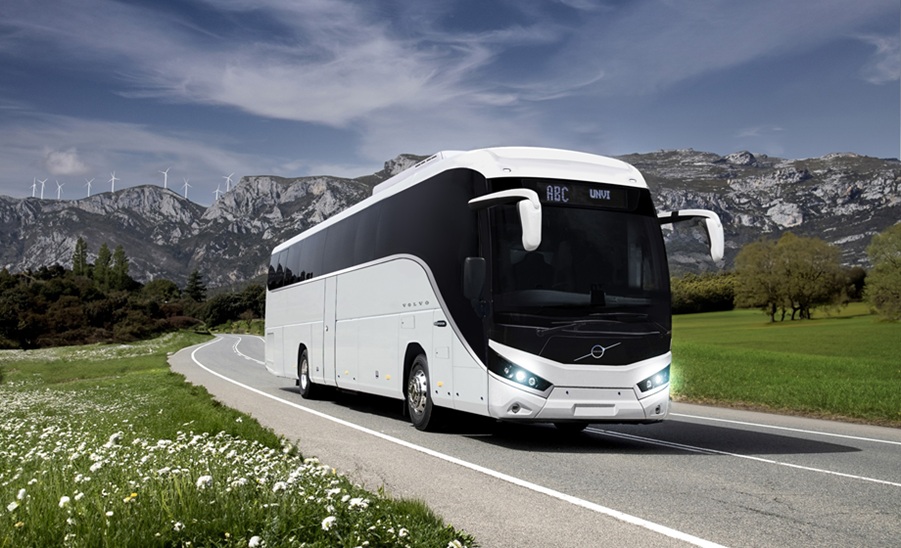
First Volvo B13R UNVI XL nears completion as demand strong
The first completed example of the Volvo B13R with UNVI XL body is due off the production line soon ahead of a round of evaluation and testing, with UNVI having also commenced series manufacture of the model.
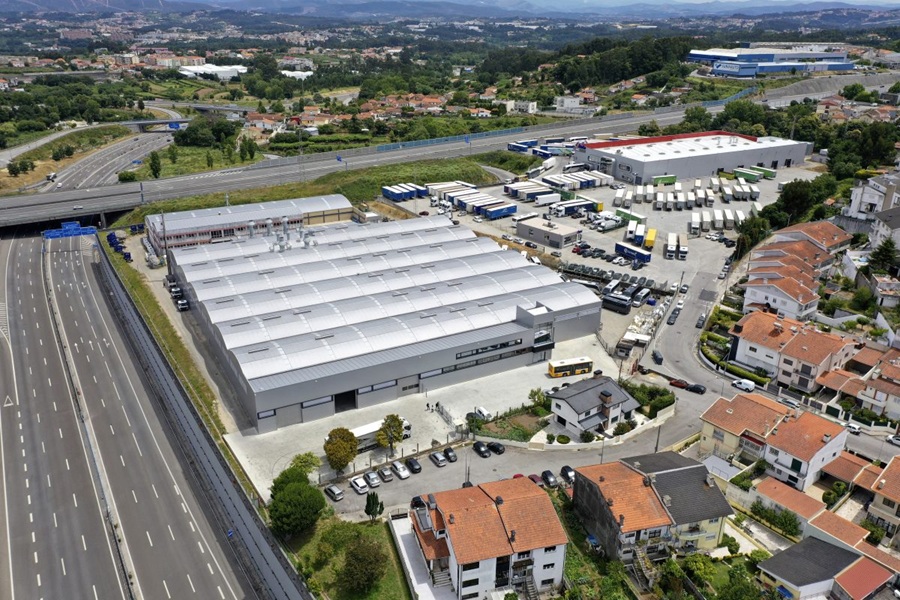
Volvo Bus UK and Ireland announced the XL partnership with UNVI around a year ago. The 12.8m coach will have either 53 seats or 49 plus one wheelchair user space. Originally UNVI had planned to build the body at its Spanish site in Ourense, but that work has been moved to Porto in Portugal “to unlock additional production capacity,” Volvo says.
Product Director Joseph Gisslow adds that demand for the XL has exceeded expectations, with 12 customers having placed orders. One of those deals is for nine units. The first coach to be built will be used by Volvo Bus UK and Ireland as a demonstrator after evaluation and testing is complete. One coach per week will initially be finished from July onwards.
Adds Mr Gisslow: “To ensure that we can deliver coaches as quickly as possible, UNVI has transferred production to a dedicated facility in Portugal. This gives us the capacity to meet our strong order book commitments while ensuring lead times for future orders remain competitive."
The XL will come with Brusa Create 120 seats as standard, including three-point belts, aisle-side armrests, footrests, magazine nets, drop-down tables, enhanced upholstery in a mix of moquette and synthetic leather, and seatback USB-A and USB-C charging points.
Volvo adds that other XL specification elements will include generous overhead luggage capacity along with interior and gangway LED lighting. Thermo King air-conditioning will be used alongside a Bosch audio-visual system with twin 22-inch screens. Underfloor luggage space will be around 9.5 cubic metres and a freshwater centre sunken toilet will be included.
Service Market Director Daniel Tanner says that the B13R XL combination will be backed by a network of over 80 Volvo Truck and Bus dealer points. “This includes a specialist parts facility held at our Loughborough body and paint shop, which keeps stock of thousands of bodywork components, from glazing and body panels to spare seats,” he adds.
Body and chassis warranty will be three-years/300,000km, with 12 years' structural coverage. Power in the coach is from the 13-litre D13K engine driving through a 12-speed I-Shift automated manual gearbox with an overdrive top ratio.

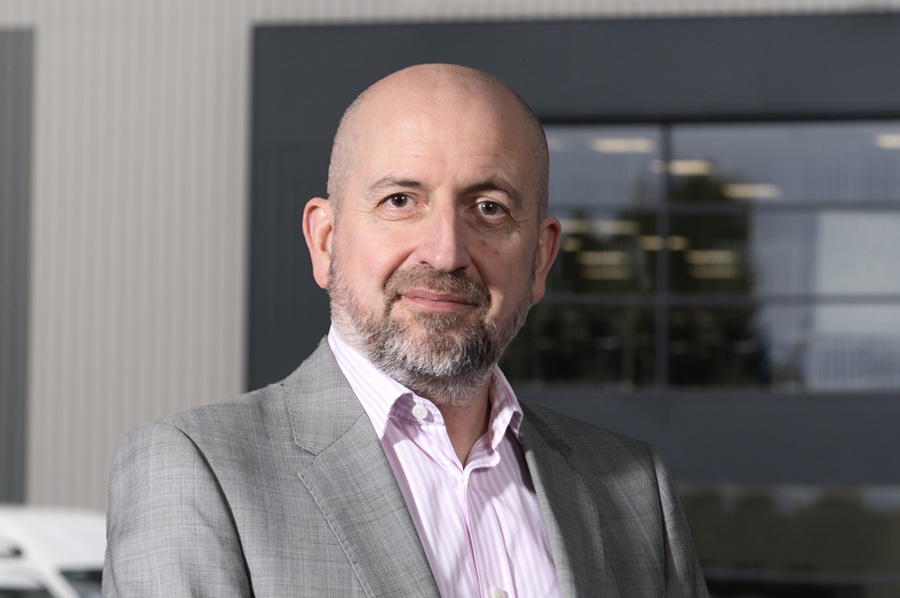
Paul O'Malley named Head of Communications by Harris Group
Harris Group has appointed Paul O’Malley (pictured) as Head of Communications across its automotive brands including Higer, for which it is the UK and Ireland supplier of the Chinese coach and bus manufacturer's products.
Mr O’Malley has three decades’ experience in the commercial vehicle communications field. He joins from automotive PR specialist Torque. Working as part of Harris’s overall marketing function led by Head of Marketing Andrew Dickinson, Mr O’Malley will align communications with the group’s wider commercial and brand strategies.
He combines industry insight with a strong record in strategic communications and media engagement, Harris Group notes. Previous clients with which Mr O’Malley has worked include DAF Trucks and MAN.
With Harris, he is charged with leading messaging through a period of portfolio expansion and market change. The group has made clear its ambitions for the Higer coach and bus brand, with a strong market entry in hand and plans for further models to join the products already coming to the UK and Ireland.
Speaking about the arrival, Mr Dickinson says: “Paul’s appointment is a significant step in our ongoing development. His depth of sector experience, combined with a proven ability to build brand visibility and manage communications programmes, makes him ideally suited to lead our comms function as the business enters its next growth phase.
“His understanding of the transport media ensures that our messaging will remain relevant, credible, and firmly customer focused.”
Adds Mr O’Malley: “I am thrilled to be joining Harris Group at such an exciting time in the company’s growth.
“There is strong momentum across the business; Maxus continues to grow strongly in both the electric- and diesel-powered LCV sectors, Isuzu is further consolidating its market position in Ireland, and Higer is poised to make a major impact in the coach and bus sector, backed by an ambitious product strategy, a comprehensive dealer network, and clear long-term intent.”
[adrotate banner="37"]
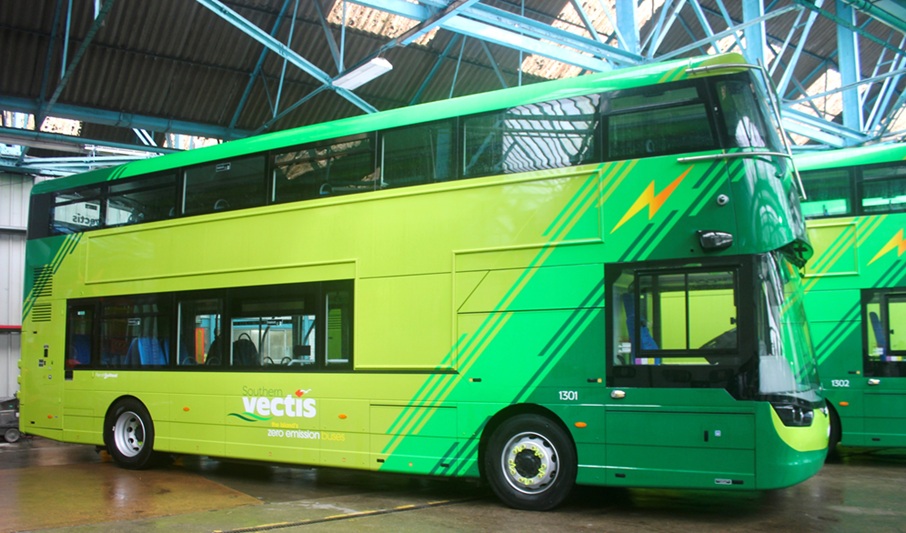
Southern Vectis Wrightbus battery-electric bus fleet makes debut
The first Wrightbus StreetDeck Electroliner battery-electric double-decks for Isle of Wight operator Southern Vectis have made their debut.
They are the fruits of a successful bid to the second round of the Department for Transport (DfT) Zero Emission Bus Regional Areas (ZEBRA 2) scheme by Isle of Wight Council, with 22 vehicles initially part-funded followed by a further nine via a supplementary allocation. All of the 31 due are from Wrightbus and service entry will start in the coming weeks.
Go-Ahead Group subsidiary Southern Vectis is investing £10.7 million in the procurement while the local authority is providing £733,000. They are the first battery-electric buses for the Isle of Wight and will run from the operator's depot in Newport, which has been fitted out with the necessary infrastructure.
At a launch event on Friday 27 February, travel writer Simon Calder addressed guests along with Wrightbus Managing Director of Sales for the UK and Ireland John McLeister.
Mr McLeister notes that the StreetDeck Electroliners are from the second-generation Electroliner platform. Those are the most efficient battery-electric buses the builder has ever produced, "with class-leading range, charging speed, and battery life.”
Southern Vectis Managing Director Ed Wills adds that collaboration with the local authority on the ZEBRA 2 bid has been important in procuring the first battery-electric buses for the Isle of Wight.
“I am delighted that Southern Vectis is now at the forefront of the nation’s sustainable transport,” says Mr Wills. “Buses are the perfect solution to improving air quality, and I would urge people living here and visiting to use these new vehicles.
“This joint investment between DfT, Southern Vectis and Isle of Wight Council will ensure greener, better journeys for our customers – and have a significant impact on the Isle of Wight’s overall carbon emissions.”
Isle of Wight Council Economy, Regeneration, Transport and Infrastructure Committee Chair Cllr Julie Jones-Evans adds how rollout of zero-emission buses is part of a modernisation of the island’s transport network, with the investment supporting “our wider ambitions for regeneration, sustainability, and a thriving future for the Isle of Wight.”
[adrotate banner="44"]